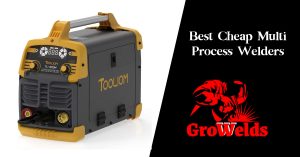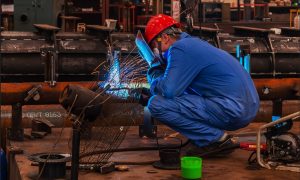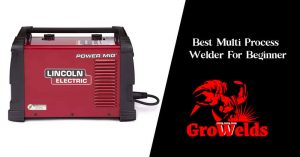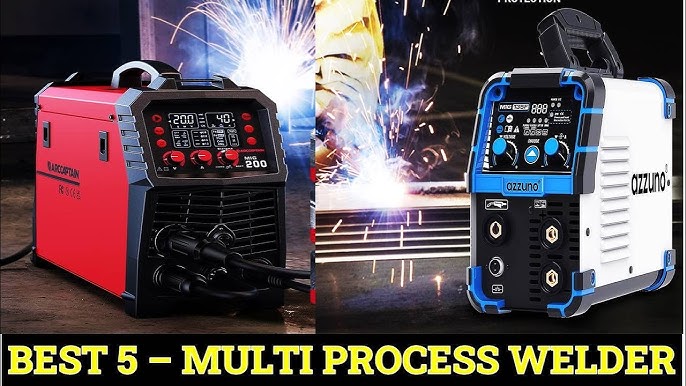
Choosing the best multi process welder can significantly improve productivity, save workspace, and reduce equipment costs. Whether you are a professional fabricator, automotive technician, or a serious DIY enthusiast, a multi process welder offers unmatched versatility by combining multiple welding methods into one compact machine.
In this comprehensive guide, we’ll explain what a multi process welder is, how it works, key features to look for, and how to choose the best option for your needs. This article is designed to help buyers make an informed decision before investing in a high-value welding machine.
What Is a Multi Process Welder?
A multi process welder is a welding machine capable of performing two or more welding processes using a single power source. Most modern units support:
- MIG (Metal Inert Gas) welding
- TIG (Tungsten Inert Gas) welding
- Stick welding (SMAW)
Some advanced models also include plasma cutting functionality.
Instead of buying separate machines for each process, a multi process welder allows users to switch between modes quickly, making it ideal for workshops with diverse welding requirements.
Why Choose the Best Multi Process Welder?
Investing in the best multi process welder offers several advantages:
1. Versatility
You can weld mild steel, stainless steel, aluminum, and other metals using different techniques without changing machines.
2. Cost Efficiency
Buying one high-quality multi process welder is often more economical than purchasing three separate machines.
3. Space Saving
A single compact unit takes up far less space than multiple welders, making it ideal for small workshops or garages.
4. Convenience
Quick mode switching increases workflow efficiency, especially in professional environments where time matters.
Common Welding Processes Explained
Understanding the included welding processes helps you choose the right machine.
MIG Welding
- Best for beginners and high-speed production
- Ideal for thin to medium metals
- Requires shielding gas (except flux-core)
TIG Welding
- Produces clean, precise welds
- Preferred for aluminum and stainless steel
- Requires more skill and control
Stick Welding
- Excellent for outdoor and heavy-duty work
- Works well on dirty or rusty materials
- Minimal setup required
The best multi process welder allows seamless switching between these methods without sacrificing performance.
Key Features to Look for in the Best Multi Process Welder
Before purchasing, evaluate the following critical features:
1. Power Input (Voltage Compatibility)
Many modern welders support dual voltage (110V/220V), offering flexibility for home and industrial use.
2. Output Amperage
Higher amperage allows welding thicker materials. Look for machines offering 200 amps or more for professional tasks.
3. Duty Cycle
A higher duty cycle means longer continuous welding time without overheating. A 60% duty cycle at high amperage is ideal for professional use.
4. Digital Controls
LCD displays and synergic controls improve accuracy and ease of use, especially for beginners.
5. Build Quality
Metal casing, quality internal components, and reliable cooling systems are indicators of durability.
6. Portability
Lightweight designs with carry handles are ideal for mobile welding jobs.
Best Multi Process Welder for Home Use
Home users and DIY enthusiasts should prioritize:
- Easy setup and intuitive controls
- Dual voltage capability
- Moderate amperage (140–200A)
- Compact size and portability
A beginner-friendly multi process welder helps users learn different welding techniques without overwhelming complexity.
Best Multi Process Welder for Professional Use
Professional welders require machines that deliver consistent performance under heavy workloads. Important features include:
- High output amperage (200–250A+)
- Industrial-grade duty cycle
- Advanced TIG functions (pulse, foot pedal support)
- Strong manufacturer warranty and service support
The best multi process welder for professionals must handle daily operation without compromising weld quality.
Multi Process Welder vs Single Process Welder
| Feature | Multi Process Welder | Single Process Welder |
|---|---|---|
| Versatility | High | Limited |
| Initial Cost | Higher | Lower |
| Space Required | Less | More |
| Learning Curve | Moderate | Low |
| Long-Term Value | Excellent | Limited |
If you regularly perform different welding tasks, a multi process welder offers superior long-term value.
Typical Applications of a Multi Process Welder
The best multi process welder is suitable for:
- Automotive fabrication and repair
- Structural steel welding
- Farm and agricultural repairs
- Home DIY projects
- Construction sites
- Metal art and custom fabrication
Its flexibility makes it a valuable tool across industries.
Safety Considerations
When using any multi process welder, safety is critical:
- Wear proper PPE (helmet, gloves, jacket)
- Ensure adequate ventilation
- Use correct settings for each welding mode
- Regularly inspect cables and connectors
- Follow manufacturer guidelines
High-powered welding equipment should always be operated responsibly.
Maintenance and Longevity
To extend the life of your welder:
- Keep vents clean and unobstructed
- Store in a dry environment
- Replace consumables regularly
- Avoid exceeding duty cycle limits
- Schedule routine inspections
The best multi process welder is an investment, and proper maintenance ensures consistent performance for years.
Is a Multi Process Welder Worth the Investment?
For users who need flexibility, efficiency, and professional results, the answer is yes. While the upfront cost may be higher, the long-term benefits outweigh the expense. Instead of upgrading multiple machines, one reliable unit meets evolving welding needs.
Final Thoughts: Choosing the Best Multi Process Welder
Selecting the best multi process welder depends on your skill level, intended applications, and budget. Beginners benefit from simple controls and dual voltage options, while professionals require higher amperage and advanced features.
Before purchasing, evaluate:
- Welding processes needed
- Material thickness
- Power availability
- Workspace limitations
- Long-term project requirements
A well-chosen multi process welder enhances productivity, weld quality, and overall efficiency, making it one of the smartest investments for anyone serious about welding.
Note: ElectroWeld is reader-supported. If you click a link and buy something we may receive a small commission at no extra cost to you., learn more on disclaimer.
Walton M. Edwards was born in 1994 in a coal mining town, he has worked as a welder, a hardware salesman, and as a pipe fitter and has been employed as a laborer for about fifty years. Walton is a native of Wabash County in Indiana, but he now resides in Bloomington, Indiana.