

The world is built on joining things together. From the cars we drive to the electronics in our pockets, strong and precise connections are everywhere. Two of the most common methods for joining metals are soldering and welding. They seem similar at first glance—both use heat to join materials—but they are very different in practice, purpose, and result. Choosing the right method is more than just a technical decision; it affects safety, cost, performance, and even the lifespan of what you are building. If you want to truly understand the world of metalwork and electronics, you must know the full story of solder vs weld.
This guide is written for anyone—beginners, hobbyists, engineers—who wants a clear, complete, and honest comparison. We’ll explore how each process works, their unique tools and techniques, the science behind them, and the real-world implications of choosing one over the other.
Along the way, you’ll find practical tips, expert insights, and visual infographics to make everything easy to grasp. By the end, you’ll not only know which method to use, but you’ll also understand why that choice matters. Let’s dive deep into the fascinating world of soldering and welding.
—
What Is Soldering?
Soldering is a process used to join two or more metal items together by melting and flowing a filler metal (called solder) into the joint. The base metals do not melt; only the filler metal does. This makes soldering a low-temperature joining method, ideal for delicate parts like electronic circuits or jewelry.

Key facts about soldering:
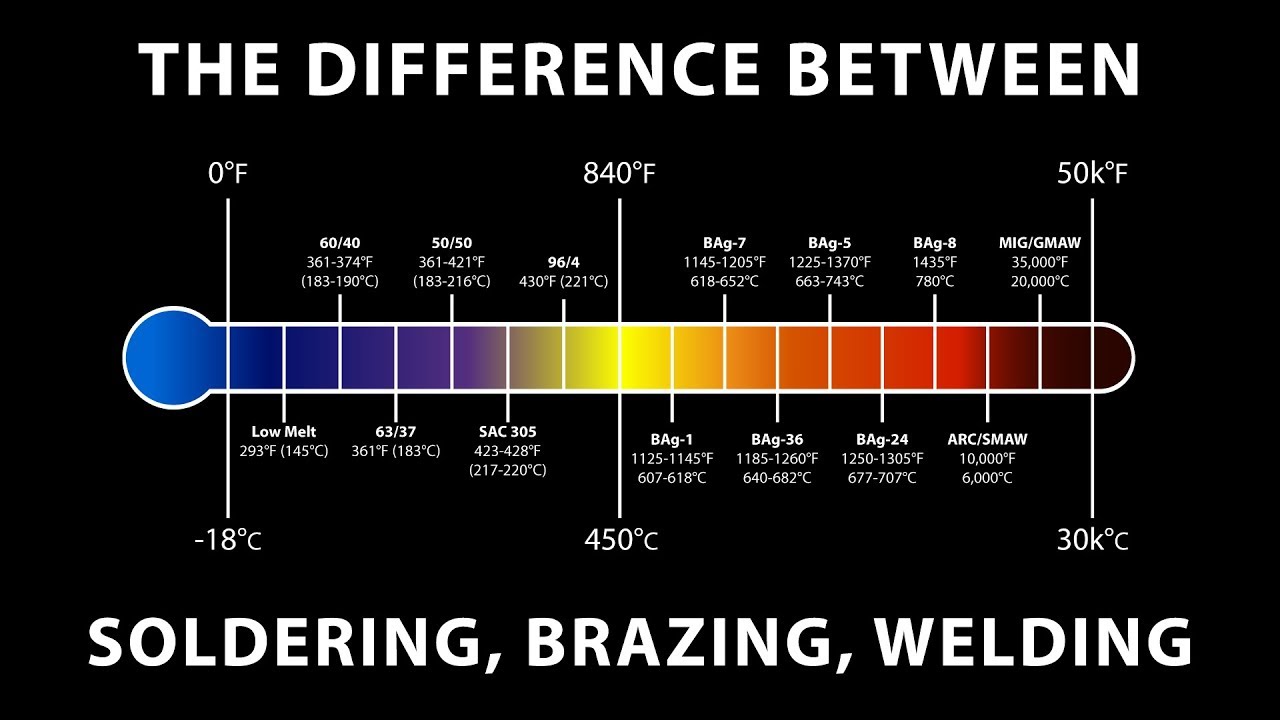
- Typical temperatures: 180°C to 370°C (356°F to 698°F)
- Common in electronics, plumbing, and jewelry
- Solder material: Usually tin-lead or lead-free alloys
- The joint is not as strong as the base metals
Soldering is popular because it’s precise, quick, and doesn’t damage sensitive components. But its lower strength means it’s not suitable for structural applications.
Main Types Of Soldering
1. Soft Soldering
Soft soldering is the most common type. It uses alloys with a low melting point—often below 400°C. The most typical alloy is 60/40 tin-lead, though lead-free options are now widely used for health and environmental reasons. This method is gentle enough for tiny electronic parts and allows connections without risking heat damage.
- Example: Attaching wires to a circuit board.
- Tip: Soft soldering is easy to learn and great for quick repairs. However, avoid using it on parts exposed to moisture or vibration unless you choose a suitable solder.
- Hard Soldering (Silver Soldering)
Hard soldering uses a filler metal with a higher melting point, often based on silver. The process requires more heat—typically above 600°C—but the result is a stronger joint compared to soft soldering.
- Example: Joining brass or copper pipes in plumbing.
- Tip: Hard soldering is often called “silver soldering” because silver alloys are popular. Use a torch instead of a soldering iron for better heat control.
- Brazing
Brazing is sometimes grouped with soldering because it also uses a filler metal with a lower melting point than the base metal. However, brazing operates at even higher temperatures than hard soldering, typically above 450°C but below the melting point of the base materials.
- Example: Fabricating bike frames or joining dissimilar metals.
- Tip: Brazing creates joints almost as strong as welding but without melting the base metals.
How Soldering Works
The process is simple in concept, but small details matter a lot for good results. Here’s a deeper look:
1. Clean The Surfaces
Any dirt, oil, or oxidation can prevent solder from sticking. Use fine sandpaper, alcohol, or a chemical cleaner.
- Non-obvious insight: Even fingerprints can block solder flow.
- Apply flux
Flux is a paste or liquid that removes oxidation and helps solder “wet” the surfaces.
- Example: Rosin flux for electronics, acid flux for plumbing.
- Heat the joint area
Use a soldering iron or torch. The temperature must be high enough to melt the solder but not damage the parts.
- Tip: Heat the parts—not the solder. Solder should melt from contact with the hot metal.
- Touch solder to the heated joint
Solder melts and flows into the gap by capillary action, forming a smooth, shiny joint.
- Beginner mistake: Applying solder directly to the iron tip (instead of the joint) leads to weak, unreliable connections.
- Let the joint cool naturally
Don’t move the parts while cooling; movement can cause cracks or dull, grainy joints.
6. Clean Off Residue
Remove excess flux or solder beads, especially in electronics.
Where Soldering Is Used
- Electronics: Circuit boards, wires, and connectors.
Soldering forms every electrical connection inside devices, from phones to computers. Surface-mount soldering allows tiny chips to be attached precisely.
- Plumbing: Copper pipes.
Soldering seals pipes against leaks. Lead-free solder is required for drinking water.
- Jewelry: Fine metalwork.
Soldering lets jewelers join precious metals without damaging stones or finishes.
- Stained Glass: Joining metal strips.
Soldering connects lead or copper strips to hold colored glass pieces in place.
- Musical Instruments:
Brass instruments like trumpets use soldered joints for airtight connections.
- Model Making & Hobby Projects:
Soldering is used in scale models, RC cars, and small robotics.
Non-obvious insight: Soldering can also repair broken eyeglass frames, fill holes in metal, or create custom art pieces.
—
What Is Welding?
Welding is a process that joins two similar metals by melting their edges and fusing them together, often with the help of a filler material. The result is a very strong bond—the weld joint can be as strong as or stronger than the original metals.

Key facts about welding:
- Temperatures: 1,500°C to over 6,000°C (2,732°F to 10,832°F), depending on the method
- Used in construction, automotive, shipbuilding, pipelines
- Requires more skill and safety precautions
- The joint becomes part of the base metal
Welding is chosen when you need a permanent, high-strength connection that can withstand heavy loads, pressure, or vibration.
Main Types Of Welding
1. Arc Welding
Arc welding uses electricity to create a high-temperature arc between a metal electrode and the workpiece. The arc melts the metals, allowing them to fuse.
- MIG (Metal Inert Gas) Welding: Uses a wire electrode and shielding gas. Fast, great for thick or thin metals.
- TIG (Tungsten Inert Gas) Welding: Uses a tungsten electrode and separate filler rod. Excellent for precise, clean welds.
- Stick (Shielded Metal Arc) Welding: Uses a coated rod. Simple, portable, works outdoors.
- Gas Welding (Oxy-Acetylene)
Combines oxygen and acetylene gas to create a flame hot enough to melt metal.
- Example: Repairing car exhaust systems, cutting steel plates.
- Resistance Welding
Uses electrical current and pressure to join metals without a flame or arc.
- Spot Welding: Common in car manufacturing for joining sheet metal.
- Seam Welding: Used for making watertight seams in tanks.
- Laser and Electron Beam Welding
Uses focused beams for high-precision, automated welding.
- Example: Aerospace, medical devices, electronics.
- Friction Welding
Joins parts by spinning them rapidly and pressing together.
- Tip: Useful for joining different metals, like aluminum to steel.
How Welding Works
The general process is more complex than soldering, requiring careful setup and control:
1. Clean The Metal Surfaces
Remove rust, paint, oil, or dirt. Contamination can cause weak welds or defects.
- Set up the welding machine and electrodes or filler rods
Choose the right type for the job.
- Example: MIG for speed, TIG for precision.
- Apply heat (arc, flame, or laser)
The edges of the metals melt.
- Tip: Control heat carefully to avoid warping or burning through.
- Add filler if required
Filler metal fills gaps and strengthens the joint.
5. Allow To Cool
The metals fuse together as a solid piece. Cooling must be controlled; cooling too quickly can cause cracks.
6. Post-weld Cleaning
Remove slag (hardened flux or impurities) and inspect for defects.
Non-obvious insight: Some welding methods (like TIG) allow you to weld without adding filler, but this is only possible when the parts fit perfectly.
Where Welding Is Used
- Structural Steel: Bridges, buildings, frames.
Welding lets architects design strong, lightweight structures.
- Automotive: Car bodies, exhausts.
Most modern cars are welded together for speed and strength.
- Shipbuilding: Hulls and decks.
Welding makes large, watertight ships possible.
- Manufacturing: Machinery, tools.
Welding is used in everything from farm equipment to medical devices.
- Railways and Pipelines:
Welded joints ensure safety and durability under pressure.
- Art and Sculpture:
Many large metal sculptures rely on welding for structure.
Expert tip: Welding is the only practical method for joining thick, heavy metals quickly and safely.
—

Credit: blog.sra-solder.com
Solder Vs Weld: Key Differences At A Glance
To understand how soldering and welding compare, let’s look at their main differences side by side.
| Feature | Soldering | Welding |
|---|---|---|
| Heat Required | Low (180°C–370°C) | High (1,500°C+) |
| Base Metal Melts? | No | Yes |
| Filler Material | Yes (solder) | Usually |
| Strength | Low to medium | Very high |
| Applications | Electronics, plumbing | Construction, fabrication |
| Skill Level | Beginner-friendly | Requires training |
| Equipment Cost | Low | Medium to high |
| Portability | High | Varies |
Additional insights:
- Soldering can join dissimilar metals (like copper to brass) easily. Welding usually requires metals to be similar in composition.
- Welding joints are permanent and difficult to undo. Soldered joints can often be reheated and separated for repair.
—
The Science Behind Soldering And Welding
Understanding the science helps you see why these methods behave so differently.
The Physics Of Soldering
Soldering works because the solder alloy has a lower melting point than the metals being joined. The solder wets the clean metal surfaces (with the help of flux), flows by capillary action into the joint, and forms a solid connection as it cools. The bond relies mostly on adhesion and a small amount of atomic diffusion.
- Atomic diffusion: Solder atoms mix slightly with the surface atoms of the base metal, creating a bond.
- Capillary action: The narrow gap between parts pulls molten solder in, making a neat, sealed joint.
Key insight: The base metals are unchanged in structure and strength. Soldering doesn’t heat the whole part, so components stay safe.
- Example: In electronics, soldering allows chips and wires to be joined without overheating and damaging tiny parts.
- Beginner mistake: Not cleaning surfaces can prevent capillary action and lead to weak, unreliable joints.
The Physics Of Welding
Welding melts the base metals at the joint. As the molten metal cools, the atoms from both pieces bond together, often with some filler metal added for strength or to fill gaps. This creates a homogeneous structure—almost as if the two pieces were always one.
- Heat-affected zone (HAZ):
The area around the weld is heated enough to change its structure. This can make the metal harder, softer, or more brittle, depending on cooling speed and alloy.
- Example: In steel, rapid cooling can create hard, brittle martensite.
- Metallurgical changes:
Welding can cause new alloys to form at the joint, sometimes improving strength or corrosion resistance, but sometimes creating weak spots if not controlled.
Key insight: The heat-affected zone (HAZ) near the weld can change the metal’s properties, sometimes making it harder or more brittle.
- Expert tip: Professional welders carefully control heat input and cooling to avoid cracks or weak spots.
—
Tools And Equipment: Soldering
Soldering can be done with simple, affordable tools. Here’s what you typically need:
1. Soldering Iron
Heats up to melt solder (15–60 watts for electronics).
- Temperature control: Some irons have adjustable heat, which is important for delicate parts.
- Solder
Usually a wire or bar. Common types: 60/40 tin-lead, lead-free.
- Diameter: Thin solder is best for small parts; thick for plumbing.
- Flux
Helps clean the metal and improve solder flow.
- Type: Rosin flux for electronics, acid-based for pipes.
- Soldering Station
For temperature control and safety.
- Feature: Many stations include a holder, sponge, and adjustable power.
- Desoldering Pump/Braid
For removing solder if needed.
- Desoldering pump: Sucks up molten solder.
- Braid: Absorbs melted solder for clean removal.
- Safety Glasses
Protects your eyes from splashes.
7. Tweezers And Clamps
Hold small parts steady.
8. Cleaning Sponge Or Brass Wire
Keeps the iron tip clean and free from oxidation.

Beginner tip: Always keep your soldering iron tip clean. A dirty tip causes weak joints and frustration.
- Practical tip: If your iron tip turns black or dull, clean it with a damp sponge or brass wire. Re-tin the tip with fresh solder.
Non-obvious insight: Soldering stations with digital displays let you see and adjust temperature precisely, which helps prevent overheating and keeps sensitive electronics safe.
—
Tools And Equipment: Welding
Welding requires more powerful equipment and safety gear:
1. Welding Machine
Types: MIG, TIG, Stick, etc.
- Feature: Machines often weigh 20–100 kg; portable options exist for stick welding.
- Electrodes/Filler Rods
Supplies extra metal for the weld.
- Electrodes: Coated for stick welding.
- Wire: Used in MIG welding.
- Rod: Used in TIG welding.
- Protective Gear
Welding helmet, gloves, apron.
- Helmet: Auto-darkening lenses protect eyes from intense light.
- Gloves: Insulated and flame-resistant.
- Clamps and Jigs
Hold pieces steady during welding.
- Tip: Secure workpieces to prevent movement during welding.
- Gas Cylinders
For shielding gases (MIG/TIG) or flame (oxy-acetylene).
- Examples: Argon, CO2, oxygen, acetylene.
- Ventilation System
Removes fumes and protects lungs.
- Practical tip: Use fans or fume extractors, especially indoors.
- Wire Brush and Grinder
Clean and finish welds.

Non-obvious tip: Store welding rods and electrodes in a dry place. Moisture can ruin weld quality and create dangerous splatter.
- Expert insight: Quality welding helmets with true color lenses reduce eye strain and help you see the weld pool more clearly.
Beginner mistake: Using the wrong gas or filler metal for the material—always check compatibility.
—
Skill Level And Learning Curve
Soldering: Friendly For Beginners
Soldering is often the first technique taught in electronics or maker classes. You can start with a basic soldering iron, a spool of solder, and a few practice boards.
- Learning time: A few hours to create strong, neat joints.
- Mistakes are easy to fix: You can reheat and adjust the joint if something goes wrong.
- Common beginner mistake: Using too much solder or overheating sensitive components.
- Practical tip: Practice on scrap wire or old circuit boards before working on valuable projects.
Example: Many schools use soldering kits to teach basic electronics, allowing students to build simple radios or lights.
- Non-obvious insight: Even advanced soldering techniques (like surface-mount device work) can be learned with patience and a steady hand.
Welding: Requires Training
Welding takes more time and practice to master. Poor technique can lead to weak joints, warping, or even dangerous failures.
- Learning time: Weeks to months for basic competence; years for professional skill.
- Mistakes are harder to fix: Bad welds can require cutting out and starting over.
- Common beginner mistake: Incomplete penetration (the weld doesn’t join the full thickness) or poor shielding, leading to weak spots.
- Practical tip: Start with stick welding—it’s forgiving and portable. Move to MIG or TIG as skills improve.
Example: Professional welders train for hundreds of hours before working on critical structures like bridges or pipelines.
- Non-obvious insight: Welding certification improves job prospects and proves skill level.
Expert tip: Welding classes often include safety, metallurgy, and inspection—not just practical skills.
—
Safety Considerations
Both soldering and welding require respect and proper safety precautions.
Soldering Safety
- Ventilation: Solder fumes, especially with lead, are hazardous. Use a fume extractor or work in a well-ventilated space.
- Burns: The iron tip is hot enough to cause serious burns.
- Eye protection: Solder can splatter, especially when using flux.
- Lead handling: Wash hands after using lead solder.
Practical tip: Use a soldering stand to keep the hot iron safe and avoid accidental burns.
Welding Safety
- Eye protection: Welding arcs can cause “arc eye” or permanent damage. Always wear a proper helmet with a darkened lens.
- Fume extraction: Many metals and fluxes produce toxic fumes.
- Fire risk: Welding can start fires. Keep flammable materials away.
- Electric shock: Arc welding uses high current.
- Protective clothing: Sparks and molten metal can burn skin.
- Hearing protection: Welding can be loud, especially grinding after welding.

Expert insight: Even experienced welders can develop permanent eye or lung damage if they skip safety steps. Never cut corners.
- Non-obvious tip: Welders should check for gas leaks before starting. Shielding gas leaks are dangerous and wasteful.
Beginner mistake: Wearing synthetic clothing—melts easily and can cause worse burns.
—
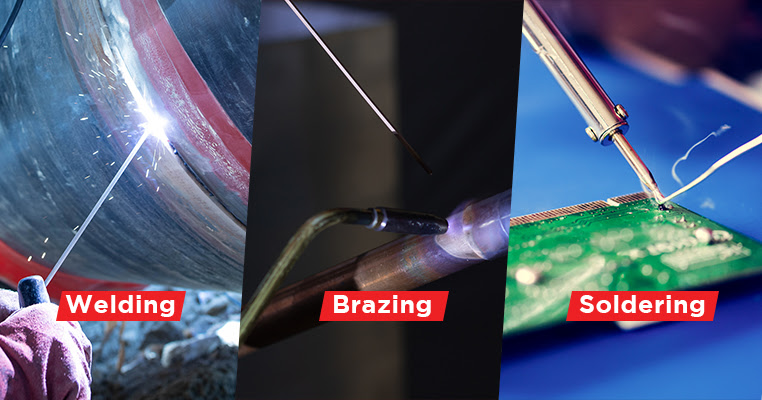
Credit: blog.red-d-arc.com
Materials: What Can You Join?
Not every material can be soldered or welded.
Soldering
- Metals: Copper, brass, gold, silver, tin, and some steels.
- Electronics: Most electronic components are designed for soldering.
- Plumbing: Copper pipes (with lead-free solder for drinking water).
Limitations: Aluminum and stainless steel are hard to solder without special fluxes and techniques.
- Expert tip: Use aluminum-specific solder and flux for aluminum parts.
- Non-obvious insight: Soldering can join metal to wires or connectors made of different alloys, even when welding is impossible.
Welding
- Metals: Steel, stainless steel, aluminum, titanium, nickel alloys, and more.
- Structural work: Most building metals can be welded.
Limitations: Very thin metals can warp or burn through during welding. Some metals (like cast iron) require special care.
- Expert tip: Use preheating and special filler rods for cast iron.
- Non-obvious insight: Dissimilar metal welding is possible with certain filler metals, but it’s a specialty skill.
—
Strength And Durability
One of the biggest differences between soldering and welding is joint strength.
Soldered Joints
- Tensile strength: Usually 15–40 MPa (2,000–6,000 psi)
- Best for: Low-stress applications, electrical connections, sealing pipes
- Not for: Load-bearing structures
- Expert tip: Soldered joints can last decades in electronics if protected from vibration and moisture.
- Non-obvious insight: Soldered joints in jewelry are strong enough to survive daily wear but will break under heavy force.
Welded Joints
- Tensile strength: Up to 250 MPa (36,000 psi) or more, depending on metal and technique
- Best for: Bridges, cars, machinery—anything that must be strong and permanent
- Expert tip: Welded joints are often stronger than bolted or riveted connections because the metal is continuous.
- Non-obvious insight: The strongest welds are made with proper penetration and controlled cooling. Too much heat can weaken the joint.
Insight: Soldered joints can fail with vibration or heavy weight, but are excellent where flexibility or low heat is needed.
—
Cost And Practicality
Soldering
- Equipment cost: $10–$100 for a good soldering iron and accessories
- Consumables: Solder wire, flux (inexpensive)
- Maintenance: Low
- Practical tip: Soldering irons last for years with proper care. Replace tips when worn.
- Non-obvious insight: Soldering can save money by allowing quick repairs—no need for expensive tools or training.
Welding
- Equipment cost: $150–$2,000+ for a welding machine
- Consumables: Electrodes, gas, filler rods (more expensive)
- Maintenance: Regular; machines need care and replacement parts
- Expert tip: Welding machines need periodic calibration and cleaning for best results.
- Non-obvious insight: Welding projects often require additional tools like grinders, clamps, and measuring devices, increasing total setup cost.
Practical tip: For home repairs, electronics, or hobbies, soldering is more affordable and easier to set up. Welding makes sense for serious fabrication.
—
Portability And Field Use
Soldering
- Highly portable: Many soldering irons are handheld and can run on batteries.
- Can be used almost anywhere (with power).
- Expert tip: Cordless soldering irons are ideal for field repairs, like fixing wires in cars or remote locations.
Welding
- Depends on type: Stick welding is portable; MIG/TIG need heavy equipment and gas bottles.
- Outdoor use: Welding is better for outdoor or large-scale jobs.
- Non-obvious insight: Mobile welding rigs use generators and portable gas tanks for onsite work.
- Practical tip: Always check local regulations for welding outdoors—fire risk can limit use in dry seasons.
—
Speed And Productivity
- Soldering: Fast for small joints—seconds per connection. Ideal for assembly lines or mass production of electronics.
- Welding: Slower per joint, but faster for large structures. One weld can replace dozens of screws or bolts.
- Expert tip: Automated soldering machines can process thousands of joints per hour.
- Non-obvious insight: Welding robots can weld entire car frames in minutes, improving productivity and consistency.
—
Repair And Rework
- Soldering: Easy to repair—just reheat and adjust the joint.
- Welding: Repairs can be complex and may weaken the material if not done properly.
- Expert tip: Soldering is ideal for quick fixes on electronics, but repeated repairs can damage circuit boards.
- Non-obvious insight: Welding repairs often require grinding out old welds, which can thin or weaken the metal.
—
Credit: www.youtube.com
Environmental Impact
Soldering
- Lead solder: Hazardous to people and the environment. Many countries require lead-free solder.
- Energy use: Low.
- Expert tip: Use lead-free solder whenever possible; modern alloys perform well for most jobs.
- Non-obvious insight: Soldering waste (like used solder and flux) should be disposed of properly to avoid soil and water contamination.
Welding
- Fumes and gases: Can be harmful without proper extraction.
- Energy use: High, due to intense heat and electricity.
- Practical tip: Use local exhaust ventilation and personal protective equipment to minimize exposure.
- Non-obvious insight: Welding produces metal dust and slag that must be cleaned and recycled to reduce environmental impact.
Eco-friendly tip: Always choose lead-free solder for plumbing and electronics. Dispose of waste responsibly.
—
Common Applications: Solder Vs Weld
Here’s how these methods stack up in real-world applications.
| Application | Recommended Method | Reason |
|---|---|---|
| Printed Circuit Boards | Soldering | Low heat, delicate components |
| Automobile Frames | Welding | High strength required |
| Jewelry Making | Soldering | Precision, minimal heat |
| Plumbing | Soldering (copper pipes) | Watertight, easy repair |
| Ship Hulls | Welding | Large, strong joints |
| Home Metal Fences | Welding | Durability, weather resistance |
| Art Sculptures | Both | Fine details (soldering), structure (welding) |
| Musical Instruments | Soldering | Airtight, gentle joining |
| Railroad Tracks | Welding | Heavy load, vibration |
—
Soldering And Welding In Industry
Electronics Manufacturing
- Soldering is the backbone of all electronics. Every computer, smartphone, and appliance contains thousands of soldered connections.
- Automated machines now handle most soldering, but humans still do repairs and prototypes.
- Expert tip: Surface-mount technology (SMT) allows soldering of tiny chips and components, enabling miniaturization.
- Non-obvious insight: Soldering is also used in solar panels and battery packs for reliable, low-resistance connections.
Construction And Infrastructure
- Welding is critical for buildings, bridges, pipelines, and more. Without welding, modern skyscrapers would not exist.
- Non-obvious insight: Some bridges use both methods—soldered electrical sensors and welded steel beams.
- Expert tip: Welding is used to repair and reinforce old structures, extending their lifespan.
- Practical tip: Welding is essential in shipyards for building and maintaining ships, submarines, and offshore platforms.
—
Pros And Cons: Soldering
Pros
- Low cost and portable
- Great for small, precise work
- Easy to learn and repair
- Safe for delicate parts
- Minimal heat damage
- Quick setup and cleanup
Cons
- Lower strength
- Not suitable for high-stress or structural work
- Some solders are hazardous (lead)
- Sensitive to vibration and moisture
- Limited to certain metals
- Expert tip: Use soldering for projects that require flexibility or frequent changes.
—
Pros And Cons: Welding
Pros
- Extremely strong joints
- Permanent and reliable
- Works with many metals and thicknesses
- Suitable for large and heavy projects
- Withstands vibration and weather
Cons
- Expensive equipment
- Needs training and strict safety
- Harder to repair mistakes
- Risk of burns, fires, and fumes
- Not ideal for small, delicate work
- Expert tip: Use welding for projects that must endure heavy loads or harsh environments.
—
When To Choose Soldering
- Working with electrical components
- Joining delicate, thin metals
- Making jewelry or art
- Plumbing repairs (copper pipes)
- When a reversible joint is helpful
- Small, detailed assemblies
- Prototyping electronics
Non-obvious insight: Soldering is ideal for quick fixes and modifications—easy to undo and change.
—
When To Choose Welding
- Building or repairing structures
- Joining thick metal parts
- Needing maximum strength and durability
- Projects exposed to vibration, stress, or weather
- Large-scale fabrication
- Creating permanent bonds
Expert tip: Welding is the only practical choice for safety-critical applications like bridges, pipelines, or vehicle frames.
—
The Role Of Flux In Soldering And Welding
Both processes use flux—but for different reasons.
In Soldering
- Flux cleans the metal surfaces.
- Prevents oxidation during heating.
- Helps solder flow smoothly.
- Reduces surface tension for neat joints.
- Expert tip: Use the right flux for the job. Acid-based flux is powerful but can damage electronics.
In Welding
- Some welding rods have flux coatings.
- Flux shields the molten metal from air.
- Removes impurities from the weld.
- Forms slag that protects the cooling weld.
- Non-obvious insight: In TIG and MIG welding, shielding gas replaces flux, keeping air away from the weld pool.
Beginner mistake: Using the wrong flux can ruin a joint or produce toxic fumes.
—
Visual Guide: Solder Vs Weld
Below is an infographic-style summary to help you remember the key differences.

Tip: Visual comparisons make it easier to decide which method suits your project.
—
Quality Control And Inspection
Soldered Joints
- Checked visually for smooth, shiny appearance.
- Electrical tests for conductivity.
- X-ray or microscope inspection for fine electronics.
- Check for cold joints (dull, grainy surface).
- Expert tip: Use a multimeter to test soldered connections for reliability.
Welded Joints
- Visual inspection for cracks or porosity.
- Ultrasonic or X-ray testing for hidden flaws.
- Stress testing for safety-critical parts.
- Check for undercut, overlap, and incomplete fusion.
- Non-obvious insight: Professional welds are often inspected and certified for quality—especially in bridges, pipelines, and ships.
Expert tip: Never skip inspection. A hidden flaw in a weld or solder joint can cause expensive or dangerous failures.
—
Advanced Techniques And Automation
Robotic Soldering
- Used in mass electronics manufacturing.
- Precise, fast, consistent.
- Handles tiny parts and complex patterns.
- Expert tip: Robotics allow factories to produce millions of devices per year with minimal defects.
Robotic Welding
- Common in car factories and shipyards.
- Increases speed, repeatability, and safety.
- Reduces worker exposure to heat and fumes.
Interesting fact: Industrial robots can switch between soldering and welding heads for different tasks on the same production line.
- Non-obvious insight: Automation is expanding into smaller workshops, making advanced joining methods accessible to more people.
—
Soldering Vs Welding: Real-world Examples
Example 1: Repairing A Smartphone
- Soldering required. The circuit board contains tiny, heat-sensitive parts. Welding would destroy them.
- Practical tip: Use a fine-point soldering iron and lead-free solder for safe repairs.
Example 2: Building A Steel Bridge
- Welding required. Only welding provides the strength, permanence, and resistance to vibration needed for safety.
- Expert tip: Bridges use special welds and undergo rigorous inspection.
Example 3: Fixing A Leaky Pipe
- Soldering (plumbing solder) for copper pipes. Welding for steel pipes.
- Non-obvious insight: Soldered pipe joints are easy to reheat and repair.
Example 4: Creating A Metal Sculpture
- Both methods could be used. Soldering for fine details; welding for structure.
- Practical tip: Combine soldering and welding for flexibility and strength.
Example 5: Manufacturing A Car
- Welding joins the frame, body, and chassis for maximum strength.
- Soldering connects electrical wires, sensors, and control units.
—
Certifications And Standards
Soldering
- IPC-A-610: Global standard for soldered electronic assemblies.
- Lead-free laws: Many countries restrict lead solder in consumer products.
- Training: Many companies offer soldering certification for quality assurance.
Welding
- AWS (American Welding Society): Certification for welders.
- ISO 3834: International standard for welding quality.
- Testing: Welders must pass practical and written exams.
Pro tip: Proper certification increases job opportunities and trust in your work.
- Non-obvious insight: Certified welders earn higher salaries and are trusted for critical projects.
—
Common Myths And Misconceptions
1. Soldering Is Just Like Gluing.
False. Soldering uses heat and creates a metal bond, not a chemical adhesive.
2. All Metals Can Be Welded Or Soldered.
False. Some metals require special techniques; some can’t be joined reliably.
3. Welding Always Weakens Metal.
Not always. A good weld can be as strong as or stronger than the metal itself.
4. Lead Solder Is Always Dangerous.
True for health and environment, but safe when handled properly and used in non-food applications.
5. Soldering And Welding Are Interchangeable.
False. Each method fits specific jobs and materials.
6. Welded Joints Never Fail.
False. Poor technique or hidden flaws can cause welds to break.
—
Future Trends In Soldering And Welding
- Lead-free and eco-friendly solders are now standard in electronics.
- Laser welding is growing for precision and speed.
- Additive manufacturing (3D printing with metal) sometimes uses welding or soldering at tiny scales.
- Remote and robotic control for hazardous environments (like undersea or in space).
- Smart monitoring: Sensors in welds and solder joints track performance and detect failures.
- AI-guided robots: Improve quality and reduce defects in factories.
- Expert tip: Staying updated on new joining technologies improves job skills and project success.
—
Summary Table: Solder Vs Weld Quick Reference
| Aspect | Soldering | Welding |
|---|---|---|
| Heat Level | Low (180–370°C) | High (1,500°C+) |
| Joint Strength | Moderate | Very High |
| Skill Needed | Easy to learn | Professional training |
| Best For | Electronics, small parts | Structures, large parts |
| Portability | Excellent | Good (depends on type) |
| Repairability | Easy | Complex |
| Cost | Low | High |
| Environmental Impact | Low (lead-free solder) | Medium (fumes, energy use) |
| Certification | Optional | Often required |
—
Infographics Gallery
Below are more visuals to help compare soldering and welding:
- ! [Image: Macro view of a shiny soldered circuit joint versus a thick, solid weld bead](https://images.unsplash.com/photo-1521737852567-6949f3f9f2b5?auto=format&fit=crop&w=800&q=80)
- ! [Image: Flowchart showing decision between soldering and welding based on project requirements](https://images.unsplash.com/photo-1504384308090-c894fdcc538d?auto=format&fit=crop&w=800&q=80)
- ! [Image: Close-up of a welder wearing helmet with bright arc, and a technician soldering electronics](https://images.unsplash.com/photo-1468421870903-4df1664ac249?auto=format&fit=crop&w=800&q=80)
- ! [Image: Step-by-step infographic: soldering a wire vs welding a steel plate](https://images.unsplash.com/photo-1498050108023-c5249f4df085?auto=format&fit=crop&w=800&q=80)
- ! [Image: Pie chart comparing market share: soldering in electronics vs welding in construction](https://images.unsplash.com/photo-1482062364825-616fd23b8fc1?auto=format&fit=crop&w=800&q=80)
- ! [Image: Safety checklist infographic for soldering and welding gear](https://images.unsplash.com/photo-1465101178521-c1a608c2a098?auto=format&fit=crop&w=800&q=80)
—
Frequently Asked Questions
What Is The Main Difference Between Soldering And Welding?
The main difference is that soldering joins metals using a low-melting-point filler without melting the base materials, while welding melts the base metals to fuse them together. Welding creates a much stronger bond and is used for heavy-duty work.
Can You Use Soldering Instead Of Welding?
Not usually. Soldering is only strong enough for electrical connections, small parts, or plumbing. If the project requires structural strength or will face stress, welding is necessary.
Is Soldering Or Welding Safer?
Soldering is generally safer because it uses lower temperatures and simpler tools. However, both processes have risks—burns, fumes, and eye injuries. Always follow safety guidelines for both.
Can All Metals Be Soldered Or Welded?
No. Most metals can be welded, but some (like cast iron or magnesium) need special techniques. Soldering works best on copper, brass, gold, and silver, but is difficult or impossible on some metals without the right flux or preparation.
How Do I Choose Between Soldering And Welding For My Project?
Consider the materials, strength required, size of parts, and your skill level. If you need a strong, permanent joint for metal structures, choose welding. For electronics or delicate work, soldering is usually best. When in doubt, consult an expert or reference guides like those on the Welding Wikipedia page.
What Happens If You Try To Weld Electronics?
Welding produces too much heat and current for electronics, destroying chips, wires, and connectors. Only soldering is safe for electrical parts.
Can Soldering Be Used Outdoors?
Yes, but wind and moisture can interfere with soldering. Use portable soldering irons and shield your work area.
What Is A “cold Joint” In Soldering?
A cold joint is a weak, unreliable solder connection caused by not heating the parts enough. It looks dull or grainy and may fail over time.
—
Choosing between soldering and welding is more than just picking a technique. It’s about safety, reliability, and the future of your project. Now you have the full picture—so you can make the right choice with confidence, skill, and the knowledge to back it up.
Note: ElectroWeld is reader-supported. If you click a link and buy something we may receive a small commission at no extra cost to you., learn more on disclaimer.
Walton M. Edwards was born in 1994 in a coal mining town, he has worked as a welder, a hardware salesman, and as a pipe fitter and has been employed as a laborer for about fifty years. Walton is a native of Wabash County in Indiana, but he now resides in Bloomington, Indiana.