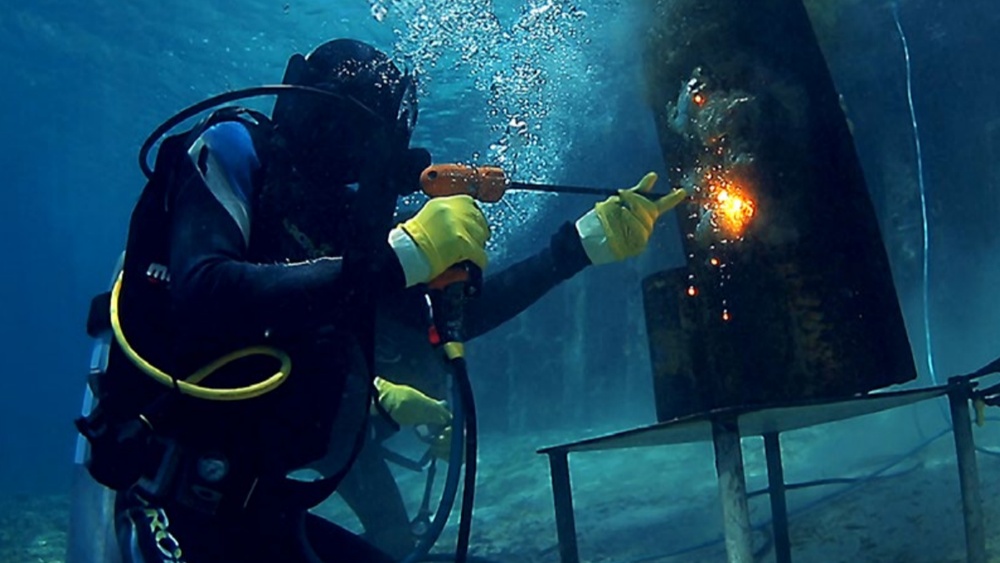
Underwater welding is one of those careers that spark curiosity and fascination. Many people imagine it as a high-risk, high-reward job. The image of a person welding metal deep underwater, wearing a diving suit, and surrounded by dark blue water, seems adventurous. But beyond the drama, people often ask a direct question: How much does an underwater welder get paid? The answer is not as simple as a single number. It depends on a range of factors—location, experience, type of work, and even luck. This article will guide you through every detail about underwater welder salaries, from average earnings to what changes pay, and what you should realistically expect if you choose this path.
What Is Underwater Welding?
Underwater welding, also called hyperbaric welding, combines commercial diving skills with welding techniques. These professionals repair ships, oil rigs, pipelines, dams, and bridges under water. There are two main types: wet welding (done in the water) and dry welding (done in a sealed chamber underwater). Both are challenging, dangerous, and highly technical.
Underwater welders must be strong swimmers, handle heavy equipment, and be trained in both diving and welding. Their work can be physically exhausting and mentally stressful. The risk of accidents, pressure changes, and even electric shock is always present.
Beyond the basic definition, it’s important to know that underwater welding is not just about joining metal. Welders must also inspect, cut, and sometimes demolish structures. They often work as part of a team, including divers, engineers, and support staff on the surface.
Communication underwater happens through special radios, and every action must be carefully planned because mistakes can be costly or dangerous.
Many jobs require welders to work in poor visibility, cold water, or strong currents. For example, repairing a ship’s hull in winter or working on a pipeline after a storm can mean zero visibility and dangerous conditions. That’s why training is strict and ongoing—underwater welders must keep their skills sharp to stay safe.
Average Salary Of An Underwater Welder
Let’s start with the numbers most people want to know. According to the latest data from the U.S. Bureau of Labor Statistics and industry reports, the average salary for an underwater welder in the United States is about $54,000 per year. However, this figure can be misleading because the actual pay range is extremely wide.
Some underwater welders earn as little as $30,000 per year, while the most experienced and specialized can make over $150,000 per year. Why such a big gap? The answer lies in several key factors that influence pay.
It’s also important to remember that some underwater welders make their money in bursts, not steady paychecks. For example, a welder might work a three-month project that pays $30,000, then have no work for the next two months. This means budgeting is crucial, and you must be ready for unpredictable income.
Another detail: overtime, hazard pay, and bonuses can add thousands of dollars to your yearly earnings, but they are not guaranteed. These extra payments depend on project deadlines, the risk level, and even the employer’s budget.
Factors That Affect Underwater Welder Salary
Not every underwater welder earns the same. Let’s dive into the main factors that change how much you can make.
1. Experience Level
Just like in most jobs, experience plays a huge role. Entry-level welders who are new to commercial diving may start at a lower wage. They might earn between $20 and $30 per hour. With more years on the job, your hourly pay can rise to $50, $60, or even $80 per hour for dangerous or technical projects.
Experience is more than just years on the job. It includes the types of projects you’ve worked on, your safety record, and your ability to handle stressful situations. For example, a welder who has worked on deepwater oil rigs is seen as more valuable than someone who has only done basic harbor repairs.
Employers often call references and check your track record before offering high-paying projects.
2. Type Of Work
Not all underwater welding is equal. Some jobs are relatively safe, such as fixing small boats in harbors. Others, like welding on offshore oil platforms, are much riskier but pay much more. Salvage work, pipeline repairs, and deep-sea projects tend to offer higher pay.
The type of metal, the required welding technique, and the environment all affect pay. For example, welding stainless steel pipelines at great depth requires extra training and skill, so the pay is higher than for basic steel repairs in shallow water.
3. Location
Where you work matters. Welders in the Gulf of Mexico, North Sea, or Middle East often earn more than those in quieter coastal areas. High-demand regions with big oil and gas industries pay more due to the increased risk and need for skilled workers.
Some regions also have longer work seasons. For example, in the tropics, underwater welding can happen year-round, while in northern regions, work may stop during winter due to ice or storms. This affects how much you can earn in a year.
4. Employer Type
Working for a large oil company, a government agency, or a private contractor can change your pay. Some employers offer better benefits, bonuses, or even hazard pay.
Government jobs may be steadier and offer good benefits, but private companies often pay more for short-term, high-risk work. Some welders switch between employers to find the best pay and conditions.
5. Certification And Skills
The more qualified you are, the higher your pay. Advanced certifications in commercial diving, nondestructive testing, or special welding techniques can help you get better jobs and higher wages.
For example, a welder with certification in underwater cutting or inspection can earn extra for those skills. In some cases, employers will only hire welders with certain certificates, especially for nuclear or oil industry projects.
6. Union Vs. Non-union
Unionized underwater welders may enjoy higher base pay, better benefits, and more job security compared to non-union workers. Unions can also help negotiate pay raises and safer working conditions.
Unions can also provide legal support if there are disputes or accidents on the job. Being part of a union sometimes means you get access to better training or priority for high-paying projects.
7. Project Length And Hours
Many underwater welders are paid per project, not per year. Some projects last a few days, others months. Overtime pay is common, especially for time-sensitive or emergency repairs.
Short, urgent jobs usually pay more per hour because of the stress and time pressure. However, longer projects may come with steady pay and benefits, which can be attractive for people with families.
8. Depth And Working Conditions
The deeper you dive, the more you earn. Deep-sea welders can receive depth pay bonuses due to the increased danger and technical skill required.
For example, a welder working at 200 feet might get a daily bonus on top of their regular pay. Extreme cold, strong currents, or polluted water can also result in extra compensation.
Breakdown Of Underwater Welder Pay By Region
To get a clearer picture, here’s a comparison of average annual underwater welder salaries in different parts of the world:
| Region | Average Annual Salary (USD) |
|---|---|
| United States | $54,000 |
| United Kingdom | $62,000 |
| Australia | $70,000 |
| Middle East | $75,000 |
| Canada | $58,000 |
| Norway | $80,000 |
As you can see, places with strong oil and gas industries or harsh environments tend to pay more. But remember: the cost of living, tax rates, and job availability also matter.
Some regions also have stricter safety rules or more advanced technology, which can affect both pay and working conditions. For example, Norway and the UK require high safety standards, which can be appealing even if the pay is similar to other regions.
Entry-level Vs. Experienced Underwater Welder Salaries
The difference between a beginner and a veteran is huge in this field. Here’s a side-by-side look at pay based on experience:
| Experience Level | Hourly Wage | Typical Annual Earnings |
|---|---|---|
| Entry-Level (0-2 years) | $20-$30 | $30,000-$45,000 |
| Mid-Level (3-7 years) | $35-$60 | $50,000-$90,000 |
| Experienced (8+ years) | $60-$100+ | $100,000-$150,000+ |
A key insight many beginners miss: most underwater welding jobs are not full-time, year-round positions. Many welders work for a few months, then have long breaks. Your annual earnings depend on how much work you get each year.
Another detail is that experienced welders are more likely to be offered jobs with overtime, hazard pay, or leadership roles. An experienced diver might also get to choose the best projects rather than taking whatever is available.
Types Of Underwater Welding Jobs And Their Pay
There are different kinds of underwater welding jobs, and each pays differently. Here are some examples:
1. Offshore Oil Rig Welder
These jobs are among the highest paid. Welders repair and build oil platforms in deep water, often far from shore. Pay can reach $80,000 to $150,000+ per year for experienced workers.
Offshore welders often live on the rig for weeks at a time. They work long shifts but have long breaks between assignments. The work is physically demanding and requires adjusting to life away from family.
2. Inland/harbor Welder
These welders work on bridges, dams, or ships in rivers and lakes. The pay is lower, usually $40,000 to $60,000 per year.
Inland jobs may be less risky, but they can still have hazards like strong currents or cold water. The work is usually closer to home, which can be a benefit for family life.
3. Salvage Diver Welder
They help recover sunken ships or fix wrecked structures. Their pay varies from $50,000 to $100,000, depending on the job’s risk.
Salvage work is unpredictable. You might spend days waiting for the right conditions, then work round the clock for a week. It’s exciting but can be physically and mentally exhausting.
4. Nuclear Power Plant Welder
Some welders are certified to work in nuclear facilities. Their pay is higher due to strict safety rules—often $90,000 or more.
These jobs require extra health checks and certifications. The work can be less frequent, but the pay and safety standards are among the best.
5. Pipeline Welder
These welders fix or build underwater pipelines. Pay ranges from $60,000 to $110,000.
Pipeline jobs can be in remote areas or at sea. The work is technical, and delays can be costly for companies, so pay is good for skilled welders.
6. Military And Government Welders
Governments hire welders for shipyards and military bases. Salaries can be steady, but sometimes lower than private sector jobs.
The main advantage is job stability and benefits like health insurance and retirement plans.
Not all jobs are open to every welder. Some require extra certifications or years of experience.

Credit: www.youtube.com
How Are Underwater Welders Paid?
Understanding how pay works is crucial. Underwater welders may be paid in different ways:
- Hourly wage: Common for short-term or emergency jobs.
- Day rate: Some companies pay a fixed amount per day, often $500–$1,200, depending on the work.
- Per project: Large projects may pay a lump sum.
- Bonuses and hazard pay: Dangerous jobs or deep dives include extra pay.
Many new welders overlook one thing: the time spent preparing, traveling, and waiting is often unpaid. Sometimes, you might spend a week on a job site but only dive for a few days.
A detail many beginners miss is the importance of negotiating your contract. Some companies try to pay only for dive time, while others pay for all hours on site. Make sure you understand what is and isn’t paid before you accept a job.
Benefits And Perks Beyond Salary
Salary is not the only part of an underwater welder’s compensation. Here are some additional benefits welders may receive:
- Health insurance: Many employers provide medical, dental, and vision coverage.
- Retirement plans: Some companies offer 401(k) plans or pensions.
- Paid time off: Not as common, but some long-term jobs include vacation days.
- Travel expenses: Flights, hotels, and meals are often covered for distant projects.
- Gear and equipment: Employers usually provide or pay for diving suits and welding tools.
- Training and certifications: Some companies will pay for you to get more training.
Each employer is different, so it’s important to ask about benefits before accepting a job.
One less obvious perk is access to advanced medical checks. Because the job is so risky, companies often pay for regular health screenings. This can help catch health problems early, which is valuable, especially if you plan to change careers later.

Credit: www.tentacletools.com
Risks And Challenges That Influence Pay
Why do underwater welders earn more than regular welders? The answer is danger. The work is risky in several ways:
- Diving risks: Decompression sickness, drowning, and hypothermia are real dangers.
- Electrical hazards: Combining water and electricity is risky, even with safety gear.
- Physical strain: Carrying heavy gear and working underwater can be exhausting.
- Long hours and travel: Jobs may require weeks away from home.
- Unpredictable work: Storms, equipment failure, or accidents can delay or cancel jobs.
Because of these risks, companies pay more to attract skilled workers. But it’s not “easy money. ” The stress and danger are part of the reason for higher pay.
Some welders also struggle with the mental side of the job. Working in the dark, cold, and under pressure can cause anxiety or claustrophobia. Good training and mental preparation are as important as physical strength.
How To Become An Underwater Welder
If you want to earn an underwater welder’s salary, you need to follow a specific career path. Here’s what you need:
- High school diploma or GED: Basic education is required.
- Welding training: Learn welding at a trade school or community college.
- Commercial diving certification: Attend a certified diving school. This can cost $15,000–$30,000 and takes several months.
- Specialized underwater welding training: Some schools offer extra courses just for underwater welding.
- Get experience: Start with simple jobs and work your way up.
A key insight: not all commercial divers are welders, and not all welders are divers. You must have both skills to get the best jobs.
Don’t forget to keep your certifications current. Some require yearly renewals or medical checks. The more up-to-date your skills, the more likely you are to be hired for the best-paying projects.
Is Underwater Welding Worth The Pay?
Many people are attracted to the high pay, but it’s important to ask if it’s worth it. Here are some points to consider:
- Short career span: Most underwater welders work for 5–10 years. The physical and mental strain makes it hard to do for decades.
- Job security: Work is often seasonal or project-based. There may be long periods without work.
- Family life: Long trips and dangerous work can affect personal relationships.
- Long-term health: Repeated exposure to pressure, cold, and heavy lifting can harm your body.
If you love adventure, the water, and don’t mind risk, the pay can be rewarding. But for most, it’s not a lifelong career.
A common path is to use underwater welding as a stepping stone. After a few years, many welders move into inspection, project management, or teaching roles. Planning your next move is smart, so you’re not caught off guard when it’s time to change careers.
How Underwater Welder Pay Compares To Other Welding Jobs
To give you more context, let’s compare underwater welding with other welding careers:
| Welding Job | Average Annual Salary |
|---|---|
| Underwater Welder | $54,000–$150,000+ |
| Pipe Welder (Land) | $40,000–$70,000 |
| Structural Welder | $36,000–$65,000 |
| Industrial Welder | $38,000–$60,000 |
| Manufacturing Welder | $32,000–$52,000 |
As you can see, underwater welding is the highest paying, but also the most risky and challenging.
Even in high-paying land-based welding jobs, you usually have regular hours, less travel, and more predictable work. Underwater welders trade stability for higher pay and adventure.
Common Mistakes Beginners Make About Underwater Welder Pay
Many people enter this field with unrealistic expectations. Here are some mistakes to avoid:
- Thinking all jobs pay $100,000+: Only a small percentage reach this level. Most start much lower.
- Ignoring unpaid time: You may spend days waiting, traveling, or preparing without pay.
- Forgetting about job gaps: Not all welders work year-round. Plan for breaks between projects.
- Overlooking costs: Training, gear, travel, and certifications can be expensive.
- Ignoring health and safety: Medical costs from injuries can eat into your earnings.
Another common mistake is underestimating the effect of the weather. If you work in a region with hurricanes or freezing winters, you might lose months of work each year. Planning for these downtimes is critical.
How To Increase Your Earnings As An Underwater Welder
If you want to earn more, here are some proven strategies:
- Get advanced certifications: Specialize in deep-water, non-destructive testing, or hazardous materials.
- Work in high-demand regions: Go where the big projects are, even if it means relocating.
- Build a strong reputation: Word of mouth matters. Safe, reliable welders get the best jobs.
- Join a union: This can improve pay and benefits.
- Network with contractors: Connections can lead to more frequent and better-paying projects.
- Stay fit and healthy: The job is physical. Good health means you can take on more challenging (and higher-paying) work.
Many experienced welders also move into supervision or training roles later, which can offer a stable income.
One more tip: Learn to manage your money. Save during busy months, and budget carefully for slow periods. Many welders who struggle financially do so because they don’t plan for months without work.
The Role Of Unions And Professional Organizations
Unions and professional groups play a big part in underwater welding careers. They help set wage standards, negotiate better working conditions, and provide legal support. Some well-known organizations include:
- International Brotherhood of Boilermakers
- Association of Diving Contractors International (ADCI)
- American Welding Society (AWS)
Joining these groups can open doors, offer training, and give you a network of support.
Some organizations offer mentorship programs, which can help you learn from experienced welders and avoid common mistakes early in your career.
Real-life Example: A Day In The Life And Pay
Let’s look at a real example. James, an underwater welder in the Gulf of Mexico, works on offshore oil rigs. He’s been in the field for 7 years. On a recent project, his pay was structured like this:
- Base pay: $45 per hour
- Hazard pay: Extra $250 per day for deep dives
- Overtime: 1.5x pay for hours over 8 per day
- Total project: 14 days, 10 hours per day
James earned about $10,500 for two weeks of intense work, but he was off the job for 3 weeks after that. His yearly take-home pay is around $85,000, but it’s not spread evenly throughout the year.
A key insight: Budgeting is important. Your biggest checks may come at once, but you need to save for months with no work.
James also points out that the job can be lonely. Living away from family, dealing with rough weather, and working in dangerous conditions takes a toll. That’s why many welders eventually seek more stable jobs after a few years.
Job Outlook And Demand For Underwater Welders
Underwater welding is a small but steady field. According to the U.S. Bureau of Labor Statistics, the demand for commercial divers (including underwater welders) is expected to grow by about 5% over the next decade. Big drivers include:
- Aging infrastructure: More repairs needed on bridges, dams, and pipelines.
- Oil and gas industry: Ongoing need for maintenance and new construction.
- Maritime shipping: More ships mean more repairs.
However, the field is also competitive. Many people are attracted by the pay, but only a few succeed due to the tough requirements and risks.
One more factor: technology. Remotely operated vehicles (ROVs) are taking over some jobs, but skilled welders are still needed for complex or delicate repairs. Staying up-to-date with new technology helps keep your skills in demand.
What Beginners Usually Miss About Underwater Welder Pay
Two non-obvious things stand out:
- Seasonal Nature of Work: Underwater welding is often tied to weather and project schedules. Winter can be slow, and hurricane season can stop work for weeks. Many welders need a “side hustle” or a backup trade.
- Career Progression: Most underwater welders don’t retire as welders. Many move into inspection, project management, or training roles. Planning for life after welding is just as important as your starting salary.
A third insight: Some companies offer profit-sharing for big projects, which can boost your income if you’re part of a successful team.
Resources For Further Learning
If you want to explore more, check out the Association of Diving Contractors International. They offer information about training, safety, and job listings:
Association of Diving Contractors International.
You can also look for local training schools or contact industry organizations for guidance on getting started.
Frequently Asked Questions

Credit: dycoventures.com
What Is The Highest Salary For An Underwater Welder?
The highest salaries for underwater welders can reach $150,000 or more per year. These top earners usually have years of experience, advanced certifications, and work on high-risk projects in remote or dangerous locations. However, these jobs are rare and come with greater risks.
Some welders also earn additional income from consulting, training, or inspection work as their careers progress.
Do Underwater Welders Get Paid More Than Regular Welders?
Yes, underwater welders usually earn more than regular welders. The pay is higher because the job is much more dangerous and requires both commercial diving and welding skills. For example, a land-based welder might earn $40,000–$70,000, while an underwater welder can make $54,000–$150,000+.
However, remember that steady, year-round work is less common in underwater welding compared to land-based jobs.
How Often Do Underwater Welders Work?
Underwater welders often work on a project basis. This means they may work intensely for several weeks or months, then have long breaks. The amount of work depends on the season, location, and industry demand. Many welders do not work year-round.
Some welders use their off-time to take on land-based welding or diving work, which helps smooth out their income.
Do Underwater Welders Receive Benefits?
Some employers offer health insurance, retirement plans, and travel expenses. Benefits vary by employer and region. Many jobs are contract-based, so not every welder receives full benefits.
If benefits are important to you, look for longer-term positions with larger companies or government agencies.
Is Underwater Welding A Good Long-term Career?
Underwater welding is rarely a lifelong career. Most welders work for 5–10 years, then move into supervision, inspection, or teaching. The physical and mental demands make it hard to continue for decades, but it can be rewarding for those who love adventure and challenge.
Planning your next step before your body wears out is a smart strategy.
Choosing to become an underwater welder is a big decision. The pay can be very attractive, but it comes with real risks and challenges. With the right skills, certifications, and attitude, you can earn a strong income and enjoy a unique career.
Just make sure you understand all the details before you take the plunge.
Note: ElectroWeld is reader-supported. If you click a link and buy something we may receive a small commission at no extra cost to you., learn more on disclaimer.

Walton M. Edwards was born in 1994 in a coal mining town, he has worked as a welder, a hardware salesman, and as a pipe fitter and has been employed as a laborer for about fifty years. Walton is a native of Wabash County in Indiana, but he now resides in Bloomington, Indiana.