

Welding is more than just joining two pieces of metal. It is an essential skill in many industries, from construction and automotive to art and aerospace. But with so many methods available, how do you know which is the best welding technique for your project? Choosing the right one can make the difference between a strong, safe structure and a weak, unreliable joint. In this guide, you will learn about the top welding processes, their advantages, challenges, and practical uses. Whether you are a beginner, a DIY enthusiast, or a professional, this article will help you understand which method suits your needs. Along the way, you will find useful images and data tables to make everything clear and simple.
Understanding welding can seem difficult at first. There are many tools, terms, and safety rules to remember. But as you read on, you’ll see that each technique has its own place and purpose. This knowledge will help you avoid common mistakes and choose the method that matches your skills and project goals.
You’ll also discover why the right technique can save you time and money, and reduce the risk of errors or accidents. Whether you’re building a fence, repairing a car, or dreaming of becoming a skilled welder, this guide will give you the foundation you need.
What Is Welding? A Simple Explanation
Welding is the process of joining two or more pieces of metal or thermoplastics using heat, pressure, or both. The goal is to create a strong bond that can withstand stress, vibration, and even corrosion. In most cases, the materials are melted and fused together, sometimes with the help of a filler material.

The basic idea is simple: you heat the edges of the pieces until they melt, then join them together. When the metal cools, it becomes one solid piece. Some welding methods also use pressure, either instead of or along with heat, to help fuse the parts. In most jobs, a filler rod or wire is added to strengthen the joint and fill any gaps.
Welding differs from other joining methods like soldering or brazing. Those methods use lower temperatures and only melt the filler material, not the base metal. Welds, on the other hand, melt the base materials themselves, creating a much stronger connection.
There are three main things at work in welding:
- Heat: Usually provided by an electric arc, gas flame, or even lasers.
- Pressure: Used in some methods to push the metals together.
- Filler material: Sometimes added for extra strength or to fill gaps.
Each welding technique uses these elements in its own way. That’s why it’s important to know which method is best for your project.
Some types of welding also use a shielding gas or flux to protect the hot metal from the air. This keeps oxygen and other gases from causing weak spots or holes in the weld.
Example: When repairing a broken gate, a welder might use stick welding because it’s simple and works on rusty metal. But to build a bicycle frame, they might use TIG welding for its precision and clean appearance.
Knowing these basics helps you understand why there are so many welding techniques—and why choosing the right one matters.
Why Choosing The Right Welding Technique Matters
Not all welds are equal. The welding technique you choose affects:
- Strength of the joint
- Speed and cost of the project
- Appearance (how neat the weld looks)
- Safety and ease of use
- Suitability for the metal type and thickness
For example, a technique that works well for building a steel bridge may not be suitable for making a stainless steel kitchen sink. Picking the wrong method can lead to weak welds, cracks, or even dangerous failures.
Welding is not just about melting metal. The type of metal, its thickness, where you are working, and even the weather can change which method works best. For instance, welding outdoors on a windy day can blow away the shielding gas needed in some methods, causing bad welds or holes.
Using a technique designed for thin metal on thick steel can lead to joints that break under stress.
Real-World Example: Imagine repairing a farm tool out in the field. If you use MIG welding, the wind may blow away the shielding gas, and your weld will be weak. But if you use stick welding, you can work even in the wind and get a strong result.
Cost and Quality Impact: The wrong technique can also cost more. Some methods require expensive equipment or special training. Others are slower, which adds to labor costs. If a weld fails, you might have to redo the job, wasting both time and materials.
Safety: Certain welding processes produce more fumes, sparks, or intense light. Choosing a method that matches your workspace and safety needs can prevent burns, eye damage, or even fires.
Aesthetic Results: In some projects, like custom motorcycles or art, the look of the weld matters as much as the strength. A rough, splattered weld could ruin the appearance. Some techniques, such as TIG, are chosen mainly for their clean, attractive finish.
Non-Obvious Insight: Many beginners think that stronger always means better, but sometimes a weld that is too hard can crack if the metal moves or vibrates. The “best” technique is not always the strongest—it’s the one that fits your project’s needs and environment.
The 7 Most Common Welding Techniques Explained
There are many welding methods, but seven stand out in modern industry and home workshops. Each has unique features, strengths, and best uses. Let’s look at each one in detail.
1. Shielded Metal Arc Welding (smaw Or Stick Welding)

Shielded Metal Arc Welding (SMAW), also known as stick welding, is one of the oldest and most widely used techniques. It uses a metal rod (electrode) covered in flux. When the rod touches the workpiece, an electric arc forms, melting both the rod and the metal. The flux creates a gas shield and turns into slag, protecting the weld.
How it works: You clamp one end of your workpiece with a cable (ground). The other cable holds the rod. When you touch the rod to the metal, a spark jumps across, melting the rod and the metal below. The molten metal mixes together, then cools and solidifies. The flux on the outside of the rod melts, forming a cloud of gas that protects the weld and later hardens into a crust called slag.
Advantages:
- Simple and affordable equipment
- Works well outdoors, even in wind or rain
- Handles dirty or rusty metals better than most methods
- Good for thick materials
Disadvantages:
- Produces slag that must be chipped away
- Not ideal for thin or delicate metals
- Welds can look rough if not done carefully
- Slower than some other processes
Best for: Construction, repair work, pipelines, heavy machinery, farm equipment.
When to Use It: Stick welding is ideal for jobs where the metal is thick, dirty, or rusty. For example, repairing a broken tractor in the field, building structural steel frames, or fixing heavy machinery.
What Beginners Miss: New welders often don’t realize that the angle and motion of the rod change the weld’s quality. Moving too quickly can create weak, narrow welds, while moving too slowly can pile up too much metal and create slag inclusions.
Extra Details: Stick welding rods come in many types, each designed for specific metals and positions. Choosing the right rod (like 6011, 6013, or 7018) can make a big difference in how easy the weld is and how strong it turns out.
Safety Note: Stick welding produces a lot of UV light and hot sparks. You need good gloves, a proper helmet, and flame-resistant clothing.
2. Gas Metal Arc Welding (gmaw Or Mig Welding)

MIG welding uses a wire that acts as both the electrode and the filler. The wire is fed automatically through a gun, and a shielding gas (like argon or CO2) protects the weld from the air.
How it works: You pull the trigger on the MIG gun, and the wire feeds out. As the wire touches the metal, an electric arc forms, melting the wire and the edges of the workpiece. The shielding gas flows out of the gun at the same time, keeping air away from the molten metal.
Advantages:
- Easy to learn and fast to use
- Produces clean, neat welds with little spatter
- Great for thin to medium-thick metals
- Suitable for welding aluminum, stainless steel, and steel
Disadvantages:
- Equipment is more expensive than stick welding
- Not ideal for outdoor use (wind can blow away shielding gas)
- Needs clean metal for best results
Best for: Car bodywork, home projects, metal furniture, production lines.
Why Choose MIG? MIG welding is popular in auto body shops and for home repairs. Its speed and ease of use make it great for assembling frames, fixing gates, or building furniture.
What Beginners Miss: Many new welders don’t realize that the position of the gun and the speed of the wire are crucial. If the wire speed is too high, the wire can push into the puddle and create spatter. If it’s too low, the wire burns back and can stick to the tip.
Extra Details: MIG welding can use different gases or mixtures. For example, 100% CO2 is cheaper and gives deep penetration, but argon-CO2 mixes make cleaner, neater welds with less spatter. There are also different wire sizes for thick or thin materials.
Practical Tip: Keep your contact tip, nozzle, and liner clean. Dirt or old spatter can cause poor electrical contact and lead to weak welds.
3. Flux-cored Arc Welding (fcaw)

Flux-Cored Arc Welding is similar to MIG welding, but it uses a special tubular wire filled with flux. Some FCAW processes use shielding gas, while others rely only on the flux.
How it works: The wire feeds through the gun just like MIG. As the arc melts the wire, the flux inside creates a gas shield and forms slag on top of the weld, protecting it as it cools.
Advantages:
- Works well outdoors and on dirty or rusty metal
- High deposition rates (lays down a lot of weld quickly)
- Useful for thicker materials
Disadvantages:
- Produces slag that needs cleaning
- Not ideal for thin or delicate metals
- Welds can look less neat than MIG
Best for: Construction, shipyards, heavy equipment repair.
When to Use It: FCAW shines in outdoor or industrial settings where speed and toughness matter more than looks. It’s great for building steel structures, repairing bulldozers, or welding ship hulls.
What Beginners Miss: The difference between gas-shielded (FCAW-G) and self-shielded (FCAW-S) wires is important. Gas-shielded wires need a gas tank, while self-shielded wires do not. Using the wrong wire or settings can cause poor welds.
Practical Example: On a windy construction site, FCAW lets workers weld beams quickly without worrying about the wind blowing away the shielding.
Extra Details: FCAW machines often have more power than basic MIG units. They can weld thicker steel in a single pass, which saves time on big jobs.
4. Gas Tungsten Arc Welding (gtaw Or Tig Welding)

TIG welding is known for producing precise, high-quality welds. It uses a non-consumable tungsten electrode and a separate filler rod. Shielding gas (usually argon) protects the weld area.
How it works: The welder holds a torch with a sharp tungsten tip. An electric arc jumps from the tip to the metal, melting the edges. With the other hand, the welder adds filler rod as needed. The argon gas flows around the weld to keep out air.
Advantages:
- Very clean, beautiful welds
- Works on almost any metal, including aluminum and titanium
- Gives full control over heat and filler
Disadvantages:
- Slow and requires high skill
- Equipment can be expensive
- Not ideal for dirty or rusty metal
Best for: Aerospace, bicycles, custom car parts, food industry equipment.
When to Use It: TIG is perfect for jobs where looks, precision, or special metals matter. Think of making medical devices, high-end bicycles, or restaurant kitchen equipment.
What Beginners Miss: Even tiny amounts of oil or dirt on the metal, gloves, or filler rod can ruin a TIG weld. Unlike other methods, TIG welds show every flaw. Cleanliness is crucial.
Extra Details: TIG welding allows you to control the heat with a foot pedal or fingertip control. This lets you adjust the temperature while working, which is great for thin or tricky metals.
Practical Tip: Sharpen your tungsten electrode to a fine point for steel. Use a rounded tip for aluminum. The shape affects the arc and the weld quality.
5. Submerged Arc Welding (saw)

Submerged Arc Welding is mostly used in large factories and shipyards. In this process, the arc is hidden under a layer of powdered flux, which protects and shapes the weld.
How it works: The welding area is covered with a mound of dry flux. The wire feeds into the joint, and the arc forms under the flux. As the wire and base metal melt, the flux turns into slag and shields the weld from air.
Advantages:
- Extremely high welding speed and efficiency
- Minimal fumes and splatter
- Deep welds with strong joints
Disadvantages:
- Only works on flat or horizontal surfaces
- Equipment is large and costly
- Not suitable for thin metals
Best for: Shipbuilding, large tanks, pressure vessels, pipelines.
When to Use It: If you need to weld long, thick sections of steel—like in tank or ship construction—SAW is unmatched for speed and strength.
What Beginners Miss: Flux must be stored in a dry place and handled with clean tools. Any moisture or dirt in the flux can cause blowholes, weak welds, or contamination.
Extra Details: SAW can weld several inches deep in a single pass. Because the arc is hidden, there is almost no spatter or bright light, which makes it safer for workers nearby.
6. Oxy-acetylene Welding (oaw Or Gas Welding)

Oxy-acetylene welding uses a flame from burning oxygen and acetylene gas to melt the metal. This method is one of the oldest and can be used for welding, cutting, or brazing.
How it works: The welder adjusts the flow of oxygen and acetylene to create a focused flame. This flame is hot enough to melt steel. By moving the torch and adding filler rod, the welder joins the edges.
Advantages:
- Portable equipment
- Good for cutting, heating, and welding
- Can weld thin sheets and repair cracks
Disadvantages:
- Not as strong as electric arc welds
- Slower, with more risk of warping thin metals
- Requires careful control of flame and temperature
Best for: Auto repairs, art, light metalwork, plumbing.
When to Use It: Oxy-acetylene is often used for repairing car frames, making sculptures, or joining thin sheet metal. It’s also common for plumbing pipe repairs.
What Beginners Miss: Leaky hoses, worn-out regulators, or poor flame adjustment can create dangerous situations. Always check for leaks and set the flame correctly.
Extra Details: Oxy-acetylene can also be used for cutting metal or for brazing, which joins parts using a filler with a lower melting point than the base metal.
Practical Tip: Never store acetylene cylinders on their side, and always open gas valves slowly to avoid sudden pressure surges.
7. Plasma Arc Welding (paw)

Plasma Arc Welding is similar to TIG, but uses a super-focused plasma arc for more precision. It’s used where very thin, high-quality welds are needed.
How it works: The torch creates a plasma jet by passing an electric arc through a small nozzle with gas (usually argon). This jet is narrow and very hot, allowing for tiny, exact welds.
Advantages:
- Extremely precise and controllable
- Works on very thin metals
- Minimal distortion
Disadvantages:
- Equipment is complex and costly
- Requires high skill
- Not common for general use
Best for: Aerospace, medical devices, electronic parts.
When to Use It: PAW is chosen for jobs that need micro-welding, such as building aircraft parts, tiny sensors, or medical tools.
What Beginners Miss: Plasma arc welding can be sensitive to even small changes in settings or gas flow. Any mistake can cause the weld to fail, so it’s usually left to experts.
Extra Details: PAW can cut as well as weld, and some systems can switch between the two functions.
Practical Tip: Start by learning TIG welding first. Most PAW skills build on TIG basics.
Comparing Welding Techniques: Strength, Speed, And Cost
To help you see the differences, here is a comparison of the seven main welding methods:
| Technique | Ease of Learning | Speed | Cost | Best For |
|---|---|---|---|---|
| Stick (SMAW) | Medium | Slow | Low | Outdoor, heavy steel |
| MIG (GMAW) | Easy | Fast | Medium | Auto, home, thin/medium metal |
| Flux-Cored (FCAW) | Easy | Fast | Medium | Construction, thick steel |
| TIG (GTAW) | Hard | Slow | High | Precise, clean welds |
| Submerged Arc (SAW) | Hard | Very Fast | Very High | Industry, large structures |
| Oxy-Acetylene | Medium | Slow | Low | Repair, art, light work |
| Plasma Arc (PAW) | Very Hard | Medium | Very High | Micro, aerospace |
Note: Speed and cost can vary based on project size, skill, and equipment quality.
Extra Comparison: If you need to weld a long pipeline, SAW is the fastest and strongest. For a bicycle frame, TIG is slower but gives the best finish. For a quick fence repair outdoors, stick welding is cheapest and most practical.
Non-Obvious Insight: Sometimes, projects use more than one method. For example, a car body might be welded with MIG for most joints, but TIG on thin or visible parts for a better look.
Which Welding Technique Is Best For Each Application?
The “best” method depends on what you want to weld. Here’s a quick guide:
| Material/Job | Recommended Technique | Why? |
|---|---|---|
| Thick Steel Beams (outdoors) | Stick or FCAW | Handles wind and dirty surfaces |
| Auto Body (thin metal) | MIG | Clean, neat welds on thin metal |
| Food Industry Equipment | TIG | Sanitary, precise welds on stainless steel |
| Pipelines, Tanks | SAW | Deep, strong welds for large structures |
| Art, Sculpture | Oxy-Acetylene or TIG | Flexible, good for creative shapes |
| Micro Parts, Aerospace | PAW | Extreme precision needed |
More Examples:
- Boat repairs: Often use MIG or TIG, depending on the metal.
- Farm equipment: Stick or FCAW, because they work well on dirty, thick steel.
- HVAC ductwork: TIG, for neat, air-tight joints in thin metal.
Non-Obvious Insight: In some industries, codes or laws require certain welding methods. For example, pressure vessel welds often must be done with TIG or SAW and inspected by a certified inspector.
How To Choose The Best Welding Technique For Your Needs
Picking the right welding process is easier if you ask yourself a few key questions:
- What type of metal are you welding? (steel, aluminum, stainless, etc.)
- How thick is the material?
- Is the work indoors or outdoors?
- What is your budget for equipment and supplies?
- Do you need a neat appearance or just strength?
- How much time do you have to learn and practice?
Here’s a simple flow to help you decide:
- For general home repairs: MIG or Stick.
- For outdoor heavy-duty work: Stick or FCAW.
- For art or precision jobs: TIG or Oxy-Acetylene.
- For high-volume industrial work: SAW or FCAW.
- For very thin or special metals: TIG or PAW.
Practical Example: If you want to fix a broken lawnmower deck, stick welding is simple and cheap. But if you are building a custom stainless steel grill, TIG is better for neat, rust-free welds.
Non-Obvious Insight: Many beginners think the “best” method is always the most advanced. In reality, the simplest method that gets the job done safely and well is usually best.
Extra Tip: Try to match your welding method to your available power supply. For example, stick and MIG welders can run on basic household current (110V/220V), but large SAW machines need industrial power.
Essential Welding Safety Tips

Welding can be dangerous without the right safety steps. Hot sparks, bright arcs, and toxic fumes are all risks. Here are some must-follow tips:
- Wear a proper welding helmet with a dark lens to protect your eyes.
- Use heavy gloves and a long-sleeve jacket to stop burns.
- Work in a well-ventilated space or use a fume extractor.
- Check cables, hoses, and equipment for damage before each use.
- Keep a fire extinguisher nearby—never weld near flammable items.
- Don’t weld in wet or damp areas to avoid electric shock.
More Details:
- Protect your skin: UV light from the arc can burn skin like the sun. Wear flame-resistant clothing and close all gaps (no shorts or rolled-up sleeves).
- Use proper boots: Sparks can fall onto your feet. Wear high, leather boots—never sneakers.
- Watch your surroundings: Clear away oily rags, sawdust, or flammable liquids before starting.
- Ventilation: Some metals, like galvanized steel, produce dangerous fumes. Always work in open spaces or use a fume hood.
Practical Example: Many accidents happen when welders skip gloves or helmets “just for a quick job.” Injuries can happen in seconds.
Non-Obvious Insight: Even after turning off your welder, the metal stays hot for minutes. Always check before touching or moving newly welded pieces.
Common Beginner Mistakes And How To Avoid Them
Learning to weld takes practice, and mistakes are part of the process. Here are some common errors and how to steer clear:
- Wrong settings: Using too much or too little heat can cause weak welds or burn-through. Always test on scrap metal first.
- Poor preparation: Dirty, oily, or painted metal leads to bad welds. Clean surfaces well.
- Rushing the weld: Moving too fast or slow affects the weld shape and strength. Watch the puddle and adjust speed.
- Skipping safety gear: Even a quick spark can cause burns or eye damage. Never skip protection.
Other Common Mistakes:
- Bad fit-up: Gaps between parts make welding harder. Use clamps and magnets to keep pieces tight together.
- Wrong angle: Holding the torch or rod at the wrong angle can cause spatter, poor penetration, or ugly welds.
- Not checking polarity: For some machines, you need to set the right polarity (+ or –). The wrong setting can create weak or messy welds.
Non-Obvious Insight: Many new welders overlook the importance of dry, clean electrodes and filler rods. Moisture can cause porosity (tiny holes) in the weld.
Extra Tip: After welding, always check for cracks, holes, or weak spots. Grinding or wire-brushing the weld can help you spot problems before they become serious.
Key Welding Terms You Should Know
Understanding welding means knowing the language. Here are some useful terms:
- Electrode: The part that carries current and melts to form the weld.
- Filler metal: Extra material added to the joint.
- Shielding gas: Gas that protects the weld from oxygen and nitrogen.
- Slag: Protective crust formed on top of a weld, usually chipped off after.
- Arc: The visible discharge of electricity between the electrode and the metal.
More Terms:
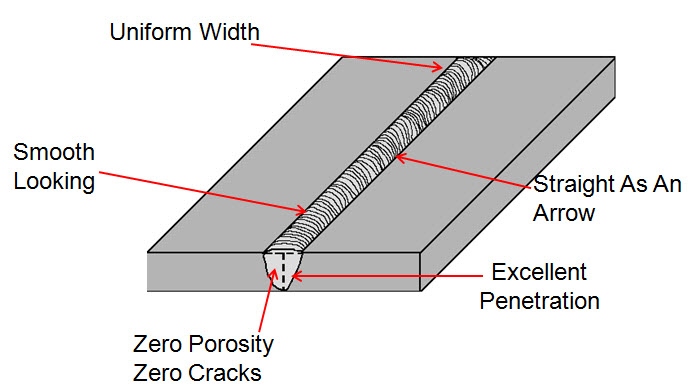
- Porosity: Small holes in a weld, usually caused by contamination.
- Penetration: How deep the weld goes into the base metal.
- Bead: The line of metal left by the weld.
- Tack weld: A small weld used to hold pieces in place before full welding.
- Duty cycle: How long a welder can run before needing to cool down.
Practical Example: If someone says, “That bead has poor penetration,” they mean the weld didn’t go deep enough and might break under stress.
Welding Certification And Training

If you want to weld as a career, certification proves your skills. In most countries, organizations like the American Welding Society (AWS) offer tests and credentials. Training often includes:
- Learning safety and theory in the classroom
- Hands-on practice with different methods
- Passing written and practical exams
Certified welders are in high demand, especially in construction, pipelines, and manufacturing.
How to Get Started:
- Take a course: Community colleges and trade schools offer beginner and advanced classes.
- Practice in a shop: Most programs include shop time with real equipment.
- Pass a certification test: This usually means making test welds that are inspected and sometimes X-rayed or bent to check strength.
Non-Obvious Insight: Some employers require you to certify on the actual materials and positions you will use on the job. For example, pipeline welders must pass a test welding pipe in a fixed position.
Extra Benefit: Certification can lead to higher pay and better job opportunities. It’s also a sign to employers that you understand safety and quality standards.
Real-world Welding: Case Studies
Building A Steel Bridge
Large steel bridges rely on stick welding and flux-cored welding because these methods handle thick steel and tough weather. A team of certified welders can join huge sections quickly and safely.
Details: Workers often weld in all weather, sometimes high above the ground. The rods and wires used are chosen for strength and toughness. Inspections and tests are done on every joint to be sure the bridge is safe.
Custom Car Fabrication
Restoring or customizing cars often uses MIG for thin body panels and TIG for stainless or aluminum parts. Clean, neat welds are a must for both strength and appearance.
Details: MIG welding is fast, so it’s used for long seams and panels. TIG welding is slower but perfect for visible parts, like exhaust systems or engine covers, where a smooth look is important.
Artistic Sculpture
Metal artists use oxy-acetylene for its flexibility, but also turn to TIG for delicate, clean welds on stainless or exotic metals.
Details: Oxy-acetylene allows for bending and shaping as well as welding. TIG is chosen for sculptures that need to last outdoors without rust, or for joining thin, delicate pieces.
Industrial Tanks And Pipelines
Submerged arc welding is the preferred method for joining the long, thick seams in pipelines and large tanks. It can weld deep and wide joints quickly, making it ideal for big projects.
Details: Welds are often done by automated machines, but skilled operators must monitor settings and quality. Each weld is inspected with ultrasound or X-rays to ensure no defects.
Medical Device Manufacturing
Plasma arc welding is used to make tiny, precise welds on medical tools, implants, and electronics. Here, even a small flaw can cause failure, so high skill and clean conditions are required.
Details: Welders work under microscopes, using computer-controlled machines. Each part is carefully cleaned and inspected before and after welding.
The Future Of Welding: Automation And New Technologies
Welding is changing fast. Robots now handle much of the work in car factories, using MIG and spot welding for speed and accuracy. New methods like laser welding and friction stir welding are being used in aerospace and advanced manufacturing. These methods offer less heat distortion and can join tricky metals.
Details: Laser welding uses a focused beam of light to melt and join metal. It’s fast and produces very small, neat welds. Friction stir welding joins metals by rubbing them together under pressure, which is useful for aluminum in airplanes.
How Automation Helps:
- Consistency: Robots can make the same weld thousands of times with no mistakes.
- Speed: Automated lines can build cars, appliances, or airplanes faster than ever before.
- Safety: Fewer people exposed to hot metal, fumes, or intense light.
What Stays the Same: Even as machines take over some tasks, skilled human welders are needed for repairs, custom jobs, and quality control. Someone must program, monitor, and fix the robots.
Non-Obvious Insight: New technology means welders need to keep learning. Understanding computers, automation, and new materials is as important as knowing how to strike an arc.
Useful Tools And Accessories For Better Welding
To make your work easier and safer, consider these extras:
- Auto-darkening helmet: Adjusts lens shade automatically.
- Angle grinder: For cleaning and smoothing welds.
- Chipping hammer and wire brush: To remove slag and clean metal.
- Clamps and magnets: Hold pieces in place for better accuracy.
- Measuring tools: For precise cuts and alignment.
More Helpful Tools:
- Welding cart: Holds your machine, tank, and tools for easy movement.
- Soapstone or marker: For marking cut and weld lines on metal.
- Welding blankets: Protects nearby areas from sparks and heat.
- Welding pliers: Useful for cutting wire, removing nozzles, and adjusting tips.
Non-Obvious Insight: Many beginners skip clamps, leading to poor fit-up and weak joints. Secure your work before striking an arc.
Practical Example: Using a magnet to hold two pieces at a perfect 90° angle saves time and prevents mistakes in assembly.
How To Practice And Improve Your Welding Skills
You don’t become a master welder overnight. Improvement comes from practice:
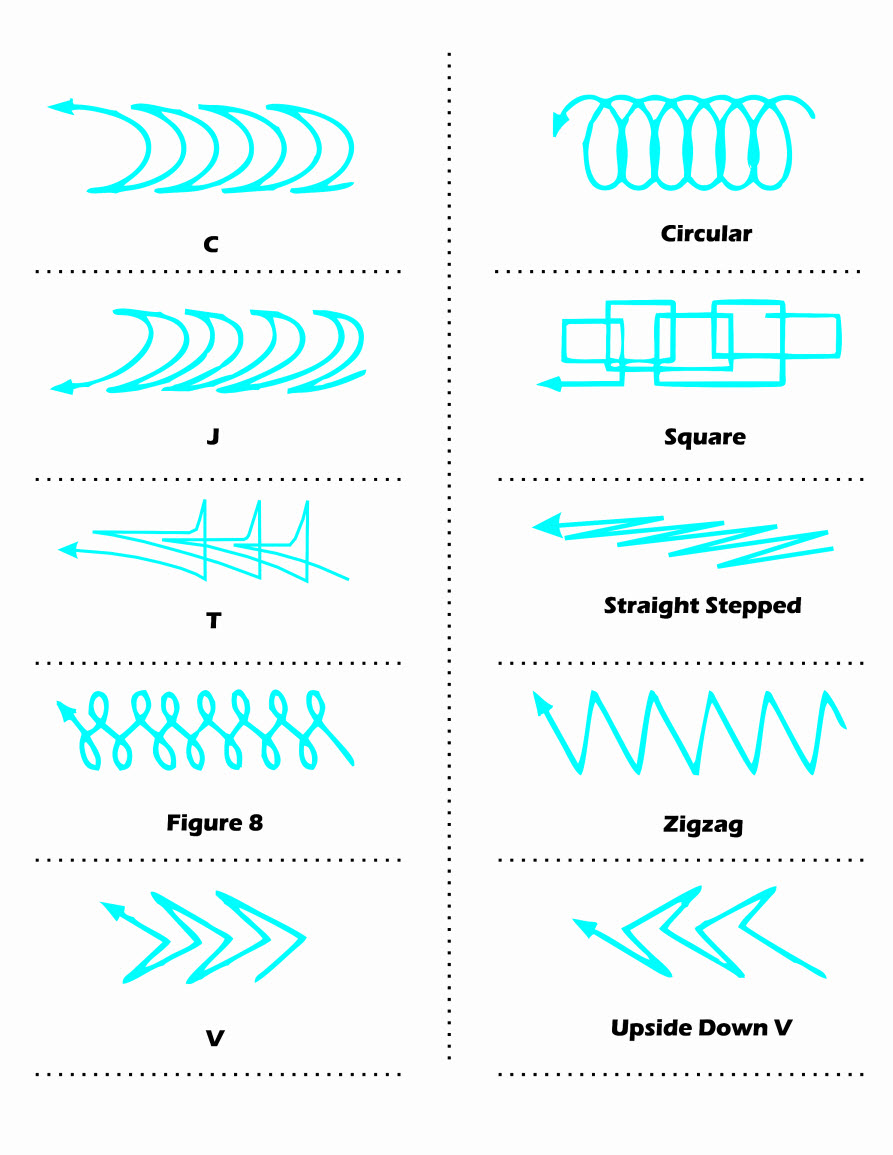
- Start with simple beads on scrap metal.
- Try different positions: Flat, vertical, overhead, and horizontal.
- Join thicker and thinner metals to test your control.
- Ask for feedback from experienced welders or instructors.
- Keep a welding journal: Note what settings and techniques worked best.
Extra Practice Tips:
- Change machines: If you can, try different types of welders to learn how each one feels.
- Learn to grind and polish: Good welders know how to finish their work for both looks and strength.
- Test your welds: Try bending or hammering your practice pieces to see if the weld holds.
- Join a class or club: Working with others helps you spot mistakes and learn faster.
Practical Example: Film yourself welding and review the video to spot shaky hands or inconsistent movement.
Non-Obvious Insight: Many welders improve by teaching others. Explaining what you do helps you understand your own process better.
Credit: www.wcwelding.com
Resources For Learning More About Welding
There are many ways to boost your knowledge:
- Local classes at trade schools or community colleges
- Online courses from platforms like Coursera or Udemy
- Welding forums and YouTube channels (e.g., Weld.com)
- Books and manuals from the American Welding Society
For official standards and safety information, visit the American Welding Society.
Other Resources:
- Manufacturers’ websites: Lincoln Electric, Miller, and ESAB offer free guides and videos.
- Social media groups: Many welders share tips, projects, and advice on Facebook and Reddit.
- Trade shows and expos: Events like FABTECH let you see new technology and talk to pros.
Frequently Asked Questions
What Is The Best Welding Technique For Beginners?
Mig Welding Is Often Considered The Best For Beginners. It Is Easy To Learn, Uses Simple Controls, And Works On Many Metals. The Process Is Fast And Produces Clean Results, Making It Less Frustrating For New Welders.
Extra Tip: MIG welders are widely available for home use and have lots of online guides and videos for beginners.
Can I Weld Aluminum With All Techniques?
No. While Most Methods Can Weld Aluminum, Tig And Mig Are The Most Common And Effective. Stick Welding And Flux-cored Are Not Recommended For Aluminum Due To Poor Weld Quality.
Extra Insight: Aluminum conducts heat quickly and melts at a lower temperature than steel. This makes TIG especially useful because you can control the heat carefully.
Credit: www.wcwelding.com
How Important Is Metal Preparation Before Welding?
Very Important. Clean Metal Leads To Stronger, Safer Welds. Remove Rust, Oil, Paint, And Dirt For The Best Results. Dirty Metal Can Cause Weak Welds And Defects.
Extra Tip: Use a dedicated brush for aluminum, as steel brushes can contaminate the surface.
Is Welding Dangerous?
Welding Can Be Risky If You Skip Safety Steps. Always Use A Helmet, Gloves, And Protective Clothing. Work In A Well-ventilated Area And Check Your Equipment Before Starting. Most Accidents Can Be Avoided With Proper Care.
Extra Insight: Even short exposure to the arc can cause “arc eye” (painful eye burn). Never look at a weld without proper protection.

Credit: www.youtube.com
Do I Need A Certification To Weld At Home?
No, Certification Is Not Required For Home Projects. But If You Want To Work As A Professional Or On Large Construction Sites, Certification From A Group Like The Aws Is Often Needed.
Extra Detail: Some insurance companies or employers require proof of training, especially for structural or high-pressure work.
—
Welding is a craft that blends science, art, and hands-on skill. The best welding technique depends on your metal, project needs, and experience. Start simple, focus on safety, and practice often. With time, you will find the right method for every job—and build strong, lasting results.
Note: ElectroWeld is reader-supported. If you click a link and buy something we may receive a small commission at no extra cost to you., learn more on disclaimer.
Walton M. Edwards was born in 1994 in a coal mining town, he has worked as a welder, a hardware salesman, and as a pipe fitter and has been employed as a laborer for about fifty years. Walton is a native of Wabash County in Indiana, but he now resides in Bloomington, Indiana.