
Welding is a skill that powers the world around us. From bridges and skyscrapers to cars and ships, skilled welders build the structures and machines we use every day. In the United States, the demand for trained welders is strong—and it’s growing. If you want a stable, hands-on career with opportunities for advancement, welding is a smart choice. But where you learn this craft matters a lot. The best welding schools in the USA don’t just teach you to join metal. They connect you to industry, help you earn certifications, and give you the confidence to start your career right.
Choosing the right school can be overwhelming. There are hundreds of welding programs in the country, but only a few stand out for their quality, reputation, and job placement rates. This article will guide you through the top welding schools in the USA, what makes each unique, and how to choose the one that fits your goals.
You’ll discover programs for beginners and advanced welders, learn about special certifications, and get tips that most newcomers miss. Whether you want to work in construction, manufacturing, or even underwater welding, this guide is your starting point for a successful journey.
Why Welding Education Matters
Some people learn welding on the job, but formal training gives you a major advantage. Modern welding is high-tech. You need to know about metallurgy, different welding processes, safety rules, and how to read blueprints. Employers want graduates who understand both theory and hands-on skills. Good schools teach you the latest methods and help you avoid dangerous mistakes. Plus, many employers in the USA now require certifications from organizations like the American Welding Society (AWS).
Welding is also a field where safety is critical. A small mistake can cause injuries, expensive damage, or even endanger lives. Formal education goes beyond simply learning to join two pieces of metal; it covers the science of how metals react to heat, which welding process is best for each job, and the correct use of protective gear and safety protocols.
This helps prevent accidents and prepares you for stricter workplace standards.
Another reason to choose a top school is networking. You’ll meet instructors with years of experience, connect with employers, and often get help finding your first job. Many of the best welding schools offer career services, job fairs, and internships.
These connections can open doors for you later.
Many students don’t realize how important relationships built during school can be. Instructors often recommend top students for jobs, and classmates can become future coworkers or business partners. Being part of a respected program also puts you in touch with professional organizations, which can provide scholarships, mentorship, and even early access to job openings.
How We Chose The Best Welding Schools
Not all welding schools are equal. For this guide, we looked at:
- Accreditation: Is the school recognized by industry groups and education authorities?
- Facilities: Does it have up-to-date equipment and safety features?
- Certification Prep: Does it prepare students for AWS or other key exams?
- Experienced Instructors: Are teachers certified and active in the field?
- Job Placement: What percentage of graduates find welding work?
- Industry Partnerships: Does the school connect students with employers?
- Special Programs: Does it offer advanced or specialized courses?
We also included feedback from students and employers, plus data on graduation rates, costs, and financial aid options.
Another factor we considered was how well each school adapts to new welding technology. Top programs update their courses regularly to cover new types of welding machines, automation, and advanced materials. Schools that work closely with manufacturers or industry groups tend to have an edge here, letting students train with the same equipment used in modern factories.
Finally, we looked at the support services offered, such as tutoring, resume workshops, and access to job leads. These might seem small, but they can make a big difference, especially if you’re new to the field or returning to school after time away.

Credit: simbott.com
Top Welding Schools In The Usa
Let’s explore the leading welding programs across the country. Each offers something unique, whether you want fast-track training, advanced certifications, or a full college degree.
1. Tulsa Welding School (tulsa, Oklahoma & Jacksonville, Florida)
The Tulsa Welding School (TWS) is one of the most recognized names in welding education. Founded in 1949, TWS has campuses in Oklahoma, Florida, and Texas, serving thousands of students each year. Their programs are known for hands-on training, with more than 80% of time spent in the lab.
Programs range from a 7-month Professional Welder course to advanced pipefitting and electro-mechanical training. TWS prepares you for real-world jobs, including structural, pipe, and industrial welding. The curriculum is tightly aligned with what employers want, and the school boasts a high job placement rate.
Unique insight: TWS also offers a specialized “Welding Specialist with Pipefitting” program. This is valuable because pipe welding is one of the highest-paid skills in the field, and many general welding programs don’t cover it in depth.
Facilities: Modern welding booths, virtual welding simulators, and a strong focus on safety protocols.
Certifications: AWS and NCCER prep included.
Job placement: Over 80% job placement rate within 6 months of graduation, with strong employer partnerships.
Extra detail: TWS has flexible class schedules, including morning, afternoon, and evening options, making it easier for students who work or have family responsibilities. The school also provides lifelong career support—graduates can return for job placement help at any stage of their career.
2. Lincoln Electric Welding School (cleveland, Ohio)
Established in 1917, the Lincoln Electric Welding School is legendary. It’s operated by Lincoln Electric, a world leader in welding equipment. Students learn from instructors who helped develop modern welding processes.
Courses are shorter than most college programs—ranging from 1 to 16 weeks. This makes it ideal for people who want to upskill quickly or professionals seeking advanced certifications. Lincoln Electric’s curriculum is very focused on technique and safety.
Unique insight: Because the school is connected to a top manufacturer, students train on the very latest equipment and processes—often before these reach other schools.
Certifications: AWS certification prep and custom courses for industry clients.
Facilities: State-of-the-art labs, robotic welding systems, and direct access to Lincoln’s R&D experts.
Who it’s for: Beginners, advanced welders, and companies training their teams.
Extra detail: One advantage at Lincoln Electric is the chance to network with professionals from around the world. Many students are sent by their employers for advanced training, so you can learn from peers as well as instructors. The school also offers refresher courses for experienced welders who want to update their skills as technology changes.
3. Hobart Institute Of Welding Technology (troy, Ohio)
Hobart Institute of Welding Technology (HIWT) has trained more than 100,000 welders since 1930. The school is non-profit and focused 100% on welding. It’s known for deep, hands-on learning and strong industry ties.
The main program is the 40-week combination welding course, which covers everything from blueprint reading to advanced pipe welding. Shorter courses for specific skills are also available.
Unique insight: HIWT is one of the few schools where you can earn multiple AWS certifications as part of your training—not just at the end. This helps students build a resume before they even graduate.
Facilities: Over 300 welding booths, high-tech simulators, and extensive safety systems.
Job placement: More than 90% of graduates find welding jobs soon after finishing.
Accreditation: Recognized by the American Welding Society and other key organizations.
Extra detail: HIWT’s instructors have real-world experience, and many are AWS Certified Welding Inspectors. The school’s alumni network is strong, and employers often recruit directly from the campus. HIWT also publishes its own textbooks and learning materials, which are used by welding schools nationwide.
4. Ferris State University (big Rapids, Michigan)
Ferris State University offers a Bachelor of Science in Welding Engineering Technology—one of only a few four-year welding degrees in the USA. The program blends theory with practice and prepares students for engineering and management roles in addition to hands-on welding.
Students use advanced labs, robotics, and simulation software. Ferris State’s curriculum covers metallurgy, inspection, codes, automation, and design.
Unique insight: Graduates often move into high-paying jobs as welding inspectors, engineers, or supervisors—not just shop-floor welders.
Facilities: Welding lab, robotic welding cells, metallography lab.
Industry ties: Strong partnerships with manufacturers in automotive, aerospace, and energy sectors.
Job placement: Nearly all graduates find jobs in the field, many before they finish their degree.
Extra detail: Ferris State students can participate in paid internships with major companies, gaining experience that sets them apart in the job market. The university also encourages research projects, allowing students to work on real-world industry challenges.
5. Pennsylvania College Of Technology (williamsport, Pennsylvania)
Pennsylvania College of Technology is an affiliate of Penn State University. Its School of Engineering Technologies offers several welding programs, from certificates to a bachelor’s degree.
The college is known for its rigorous curriculum and strong job placement. Students learn shielded metal arc, gas tungsten arc, gas metal arc, and flux-cored arc welding, plus advanced inspection and fabrication skills.
Unique insight: The school hosts annual welding competitions, giving students a chance to showcase their skills to major employers.
Facilities: High-tech welding labs, metallography and inspection labs, robotic welding equipment.
Certifications: AWS and industry-specific certifications are part of the program.
Job placement: Over 95% of graduates find work in welding or related fields.
Extra detail: Pennsylvania College of Technology offers a “Welding and Fabrication Engineering Technology” bachelor’s program, blending technical and management education. Graduates are prepared for leadership roles, not just entry-level jobs.
6. Advanced Welding Institute (south Burlington, Vermont & Eagle River, Wisconsin)
The Advanced Welding Institute (AWI) offers intensive, short-term programs designed to get students job-ready fast. The main course is a 15-week, full-time immersion in all major welding processes.
AWI is known for a low student-to-instructor ratio, meaning you get a lot of personal attention. Courses are focused on the skills employers want most, including pipe and structural welding.
Unique insight: AWI’s “boot camp” style is ideal for people who want to change careers quickly or get back into the workforce after a break.
Facilities: Modern, well-equipped welding shops, individualized welding booths.
Certifications: AWS testing and prep included.
Job placement: Over 90% job placement, with lifetime job placement assistance.
Extra detail: AWI also offers flexible payment plans and works with veterans’ benefits programs. Their instructors are required to complete ongoing training to stay current with industry standards.
7. South Georgia Technical College (americus, Georgia)
South Georgia Technical College offers a range of welding certificates and diplomas. The school is known for affordable tuition and strong industry connections in the Southeast.
The curriculum covers basic to advanced welding, fabrication, and pipe welding. There’s an emphasis on safety and practical skills.
Unique insight: The school has a unique partnership with regional manufacturers, often leading to internships and job offers before graduation.
Facilities: Large welding shop, state-of-the-art equipment.
Certifications: AWS and NCCER available.
Job placement: High placement rates, especially in Georgia’s growing manufacturing sector.
Extra detail: The college’s advisory committee includes local employers, ensuring the curriculum stays relevant. Students can join SkillsUSA competitions, building confidence and gaining recognition.
8. Central Louisiana Technical Community College (alexandria, Louisiana)
Central Louisiana Technical Community College (CLTCC) offers an Associate of Applied Science in Welding, plus technical diplomas and certificates. The program is popular for its practical focus and experienced instructors.
Students train in multiple welding processes, blueprint reading, fabrication, and pipefitting. The college maintains strong relationships with local employers.
Unique insight: CLTCC often places students in paid internships with employers before they finish the program, giving them a head start in the job market.
Facilities: Modern welding labs, job placement center.
Certifications: AWS, NCCER, and Louisiana-specific credentials.
Financial aid: Scholarships and grants available for many students.
Extra detail: CLTCC is involved in local community projects, sometimes letting students work on real job sites. This hands-on experience makes graduates attractive to employers.
9. Arizona Automotive Institute (glendale, Arizona)
The Arizona Automotive Institute (AAI) is best known for auto training, but its welding program is one of the top in the Southwest. The program is designed for quick entry into the workforce, with most students finishing in about 10 months.
AAI focuses on hands-on training in welding, cutting, fabrication, and safety. Students also learn basic automotive welding, a valuable skill in repair shops and custom car building.
Unique insight: AAI’s strong ties to local industry mean many students get job offers even before graduation.
Facilities: Welding labs, fabrication equipment, career services center.
Certifications: AWS prep included.
Job placement: High placement rates in Arizona and surrounding states.
Extra detail: AAI’s career services team helps with resume writing, interview practice, and connects students with alumni working in the field. The school also offers job fairs each term.
10. Oregon Institute Of Technology (klamath Falls, Oregon)
Oregon Institute of Technology (Oregon Tech) offers a Bachelor of Science in Manufacturing Engineering Technology with a strong welding focus. The program is ideal for students who want to move into engineering, quality control, or management roles.
Students learn welding processes, metallurgy, automation, and advanced manufacturing techniques. There’s a strong emphasis on real-world problem solving.
Unique insight: Many students work on industry-sponsored projects, giving them valuable experience for their resumes.
Facilities: Advanced manufacturing labs, welding booths, robotics equipment.
Certifications: AWS and industry-specific training included.
Job placement: Graduates often move into well-paid positions in manufacturing or engineering.
Extra detail: Oregon Tech students take courses in project management and leadership, preparing them for supervisory roles. The university’s career center assists with internships and job placement.
11. South Seattle College (seattle, Washington)
South Seattle College offers one of the most respected welding programs on the West Coast. The college provides certificates, diplomas, and an Associate of Applied Science degree.
The curriculum covers stick, MIG, TIG, flux-cored, and pipe welding, plus fabrication and blueprint reading. There’s a focus on both foundational and advanced skills.
Unique insight: The program is popular with women and underrepresented groups in welding, thanks to supportive instructors and diversity initiatives.
Facilities: Modern welding shops, safety labs, career support services.
Certifications: AWS and WABO (Washington Association of Building Officials).
Job placement: Many students secure union apprenticeships and jobs with major construction companies.
Extra detail: South Seattle College offers English language support for non-native speakers, making the program accessible to a diverse student body.
12. College Of Southern Nevada (las Vegas, Nevada)
The College of Southern Nevada (CSN) offers a variety of welding programs, including certificates and associate degrees. CSN is known for flexible scheduling, with classes available during days, evenings, and weekends.
Students learn multiple welding techniques and fabrication. The school has strong industry ties in Las Vegas, a city with constant construction and infrastructure growth.
Unique insight: CSN offers a “fast track” program for those who already have some welding experience and want to upgrade their skills quickly.
Facilities: Large welding shops, inspection and testing labs.
Certifications: AWS and NCCER exam prep provided.
Job placement: Good placement rates, especially in construction and repair industries.
Extra detail: The college partners with union apprenticeship programs, helping students transition to well-paying jobs with benefits.
13. Texas State Technical College (multiple Campuses)
Texas State Technical College (TSTC) is one of the largest technical schools in the state, with campuses across Texas. Its welding technology program is highly respected, offering certificates and associate degrees.
TSTC focuses on the latest welding processes, metallurgy, and fabrication. Students get plenty of hands-on practice, and the school works closely with large employers in oil, gas, and manufacturing.
Unique insight: TSTC’s “earn while you learn” partnerships allow some students to work paid jobs while finishing their degree.
Facilities: Modern welding labs, large fabrication shops.
Certifications: AWS, NCCER, and Texas-specific certificates.
Job placement: Excellent job placement rates, especially in the Gulf Coast region.
Extra detail: TSTC offers bilingual instruction on some campuses, helping Spanish-speaking students succeed. The school’s alumni network helps graduates find jobs even years after finishing.
14. Northern Michigan University (marquette, Michigan)
Northern Michigan University (NMU) offers an Associate of Applied Science in Welding, plus a Bachelor’s degree in Mechanical Engineering Technology with a welding focus.
NMU is known for small class sizes and personalized instruction. Students get hands-on experience with advanced welding and fabrication, robotics, and inspection.
Unique insight: NMU is one of the few schools to offer a “welding art” elective, teaching creative metalworking alongside industrial techniques.
Facilities: Welding and fabrication labs, robotics equipment.
Certifications: AWS and industry prep included.
Job placement: Strong placement in manufacturing, shipbuilding, and the automotive industry.
Extra detail: NMU students can participate in local art shows and competitions, giving them a unique resume boost if they’re interested in custom or artistic metalwork.
15. San Jacinto College (pasadena, Texas)
San Jacinto College serves the Houston area, a major hub for oil, gas, and construction. The welding program offers certificates, diplomas, and an associate degree.
Students train in all major welding processes, plus fabrication, safety, and blueprint reading. The program is popular for its affordability and job connections.
Unique insight: San Jacinto’s “dual credit” program lets high school students start earning welding credentials before they graduate.
Facilities: Modern welding labs, fabrication shops.
Certifications: AWS, NCCER, and Texas credentials.
Job placement: High rates in local industry, especially energy and construction.
Extra detail: The college offers career workshops, resume help, and mock interviews, helping students prepare for the job market.
16. Alabama Robotics Technology Park (decatur, Alabama)
The Alabama Robotics Technology Park (RTP) is not a traditional college but a state-funded training center. It offers short-term, intensive courses in robotic and advanced welding.
Students learn robotic welding, automation, and advanced inspection. RTP is ideal for experienced welders who want to move into high-tech roles.
Unique insight: RTP’s training is free for Alabama residents, making it a unique opportunity for career advancement.
Facilities: Robotic welding labs, simulation centers.
Certifications: AWS and FANUC robotics certification.
Job placement: Strong links to automotive and aerospace employers in the Southeast.
Extra detail: RTP also offers customized training for companies, keeping the curriculum aligned with industry needs. Students can network with employers during special industry events.
17. Ivy Tech Community College (multiple Campuses, Indiana)
Ivy Tech Community College is Indiana’s largest public post-secondary institution, with many campuses offering welding technology programs.
Courses cover all major welding methods, fabrication, safety, and inspection. Ivy Tech is known for affordable tuition and flexible scheduling.
Unique insight: Ivy Tech partners with major Indiana manufacturers for internships and apprenticeships, helping students earn while they learn.
Facilities: Welding labs, testing centers.
Certifications: AWS and industry prep.
Job placement: High placement rates in local industry.
Extra detail: Ivy Tech offers credit for prior work experience, allowing some students to finish their program faster.
18. Advanced Technology Institute (virginia Beach, Virginia)
The Advanced Technology Institute (ATI) offers a diploma in Maritime Welding, a specialty in high demand in the region’s shipbuilding industry.
Courses focus on structural and pipe welding, blueprint reading, and safety. ATI works closely with local shipyards and defense contractors.
Unique insight: Many students get hired by shipyards before they finish the program, often with signing bonuses.
Facilities: Modern welding labs, maritime fabrication shops.
Certifications: AWS and maritime industry credentials.
Job placement: Excellent in the shipbuilding and defense sectors.
Extra detail: ATI’s instructors have backgrounds in shipbuilding, giving students real insight into the industry’s demands and culture.
19. Uti Welding Technology Program (multiple Campuses)
Universal Technical Institute (UTI) is a national leader in technical education, with welding programs at several campuses. The 36-week program covers all major welding processes and is designed for quick entry into the workforce.
UTI’s curriculum was developed with input from industry leaders, ensuring students learn what employers want.
Unique insight: UTI offers “manufacturer-specific” training, letting students specialize in welding for top companies like Ford and Cummins.
Facilities: Modern welding labs, industry-standard equipment.
Certifications: AWS and manufacturer credentials.
Job placement: High placement rates and strong employer relationships nationwide.
Extra detail: UTI provides career support, including help with relocation for job opportunities in other states.
20. Minnesota State College Southeast (winona & Red Wing, Minnesota)
Minnesota State College Southeast offers a diploma and certificate in welding technology, known for its close ties to local industry.
Students train in stick, MIG, TIG, and flux-cored welding, plus fabrication and blueprint reading. The school is praised for supportive instructors and small class sizes.
Unique insight: The college’s “employer showcase” events connect students directly with hiring managers from regional companies.
Facilities: Welding labs, fabrication shops.
Certifications: AWS and Minnesota-specific credentials.
Job placement: High rates in manufacturing, construction, and repair.
Extra detail: The college offers job shadowing opportunities, letting students see different work environments before choosing a specialty.
Comparing Welding Programs: What Matters Most
With so many choices, how do you compare welding schools? Here’s a simple overview to help you see the differences.
| School | Program Length | Certifications | Job Placement | Special Features |
|---|---|---|---|---|
| Tulsa Welding School | 7-10 months | AWS, NCCER | 80%+ | Pipefitting specialty |
| Hobart Institute | 10 months | AWS | 90%+ | Multiple certifications |
| Ferris State University | 4 years | AWS, degree | Near 100% | Engineering focus |
| Advanced Welding Institute | 15 weeks | AWS | 90%+ | Boot camp style |
| San Jacinto College | 1-2 years | AWS, NCCER | High | Dual credit for high school |
Key Factors To Consider
When choosing a welding school, look beyond just the name or location. Here are some critical points:
- Certification Opportunities: Does the school prepare you for AWS or other required exams? Having the right certification is often required for good jobs.
- Hands-On Training: The more time you spend practicing, the better. Look for schools with up-to-date labs and real welding booths.
- Industry Partnerships: Programs with strong ties to local employers often have better job placement rates.
- Class Size: Smaller classes mean more personal attention from instructors.
- Job Placement Support: Does the school help with resumes, interviews, and job fairs?
- Specialization: Some schools offer unique courses like underwater welding, robotic welding, or artistic metalwork.
- Flexibility: Evening or weekend classes can help if you need to work while studying.
Extra insight: Ask if the school offers mock certification tests. This can reduce test anxiety and help you pass on your first try.
Another thing to check: Does the school help with soft skills? Communication, teamwork, and problem-solving are also important in the workplace.

Credit: yeswelder.com
What Certifications Matter In Welding?
Welding certifications show employers you have the skills needed for specific jobs. The most important is from the American Welding Society (AWS). AWS offers different levels, such as Certified Welder, Certified Welding Inspector, and Certified Welding Educator.
Some states and industries require other certifications, like NCCER (for construction) or manufacturer-specific credentials. Schools that offer in-house AWS testing save you time and often money.
A common mistake is assuming all schools offer the same certifications. Always ask if your program includes AWS prep and testing.
Extra detail: Some employers look for welders with multiple process certifications (e.g., both MIG and TIG). If you’re interested in a high-demand sector like oil and gas or shipbuilding, find out which certifications those jobs require.
Career Paths For Welding School Graduates
Welding is more than just joining metal. Here are some of the main career options for graduates:
- Structural Welder: Builds bridges, buildings, and other large structures.
- Pipe Welder: Works in oil, gas, and water industries—often high-paying.
- Manufacturing Welder: Joins parts for cars, planes, and machines.
- Welding Inspector: Checks the quality and safety of welds.
- Welding Engineer: Designs welding processes and leads teams.
- Robotic Welder Operator: Runs high-tech welding robots in factories.
- Underwater Welder: Repairs ships, oil rigs, and underwater structures.
Some welding jobs are unionized, offering good pay and benefits. Others are in management or teaching. Your choice of school can affect which paths are open to you.
Extra insight: Many welders move up quickly by gaining experience and additional certifications. Some start their own fabrication shops or move into sales and technical support for equipment companies. A few become trainers or write training materials, sharing their knowledge with the next generation.
Cost Of Welding School: What To Expect
Welding school costs vary widely. Here’s a general comparison:
| Type of Program | Typical Tuition | Financial Aid | Duration |
|---|---|---|---|
| Short-term certificate (private) | $8,000 – $20,000 | Loans, grants | 3-10 months |
| Community college (public) | $3,000 – $10,000 | Grants, scholarships | 1-2 years |
| Bachelor’s degree | $30,000 – $60,000 | Loans, scholarships | 4 years |
Non-obvious insight: Some employers will pay part or all of your tuition if you commit to work for them after graduation. Ask schools about employer-sponsored programs.
Extra detail: Many welding students are eligible for trade-specific scholarships from organizations like AWS or local unions. Don’t forget to budget for supplies—welding helmets, gloves, and boots can add $500–$1,000 to your total costs.
Tips For Choosing The Right Welding School
- Visit the Campus: Seeing the labs and meeting instructors in person helps you judge the quality.
- Ask About Class Size: Avoid programs where labs are overcrowded. You want plenty of booth time.
- Check Job Placement Data: Ask for real numbers, not just promises.
- Look for Updated Equipment: Welding technology changes fast. Modern gear means better training.
- Talk to Recent Grads: They’ll give you honest feedback about the program.
- Consider Location: Living costs, job markets, and travel time can all affect your experience.
A mistake many beginners make is choosing a school just because it’s close or cheap. It’s better to invest a little more for a program with strong industry links and high job placement.
Extra insight: If you’re unsure, try a short introductory course before committing to a full program. This lets you test your interest and skills in welding.
Also, look for schools with strong safety records—ask about their safety training and accident history.
The Role Of Welding Instructors
Instructors are the backbone of any welding school. The best teachers are certified, experienced, and keep up with the latest techniques. They can explain complex concepts simply, spot mistakes quickly, and share tips from real job sites.
A great instructor won’t just teach you how to weld—they’ll prepare you for the challenges of working in factories, construction, or even on pipelines. Ask about instructor experience and if you can observe a class before enrolling.
Extra detail: Top instructors often have industry connections, and their recommendation can help you land your first job. They may also offer extra help sessions if you’re struggling with a technique.
Non-obvious insight: Some instructors are involved in writing welding codes and standards. Learning from them gives you an edge in understanding industry expectations.
What Sets The Best Welding Schools Apart
Top welding schools share a few key traits:
- Strong safety culture: Welding can be dangerous without the right training and equipment. Top schools make safety a core part of every lesson.
- Hands-on focus: You learn by doing, not just watching. The best programs offer hours of lab time each week.
- Industry connections: Good schools bring employers to campus, run job fairs, and help with placement.
- Certification support: They help you prepare for and pass industry exams.
- Modern facilities: Up-to-date equipment helps you learn the skills employers need today.
Non-obvious insight: Some top schools offer “lifetime job placement”—meaning you can get help finding new jobs even years after you graduate.
Extra detail: The best schools also encourage involvement in welding competitions and student organizations. These activities build leadership, teamwork, and communication skills—qualities employers value.
Welding School Success Stories
Graduates from these top schools go on to do amazing things. For example, a student from Ferris State University might start as a welding engineer at a major car company. A Hobart Institute graduate could become a certified welding inspector, earning over $70,000 per year.
Many start their own businesses or move into teaching.
Real-world example: A Tulsa Welding School graduate, after just 8 months of training, landed a job on an oil pipeline in Texas earning over $60,000 in the first year. Another AWI graduate started a custom metal art business, using both technical and creative skills learned at school.
Extra detail: Some schools share alumni stories in newsletters or on their websites. Reading these stories can inspire you and give you a clearer picture of possible career paths.
Welding School And The Future Of The Trade
Welding is changing fast. New materials, automation, and robotics are reshaping the industry. The best schools keep up with these trends, teaching students not only traditional welding but also advanced techniques.
For example, robotic welding is now common in car factories. Schools like the Alabama Robotics Technology Park and Oregon Tech prepare students for these high-tech jobs. Underwater welding, taught at some specialty programs, is used in offshore oil and ship repairs.
The need for skilled welders is not going away. In fact, the U.S. Bureau of Labor Statistics predicts steady growth in welding jobs through 2031, especially as the country upgrades infrastructure and manufacturing.
Extra insight: Welding is also “future-proof” compared to many jobs. Robots can help, but they still need skilled people to set them up, program them, and fix problems.
If you want job security, good pay, and a career where you make a real impact, welding is a strong choice.
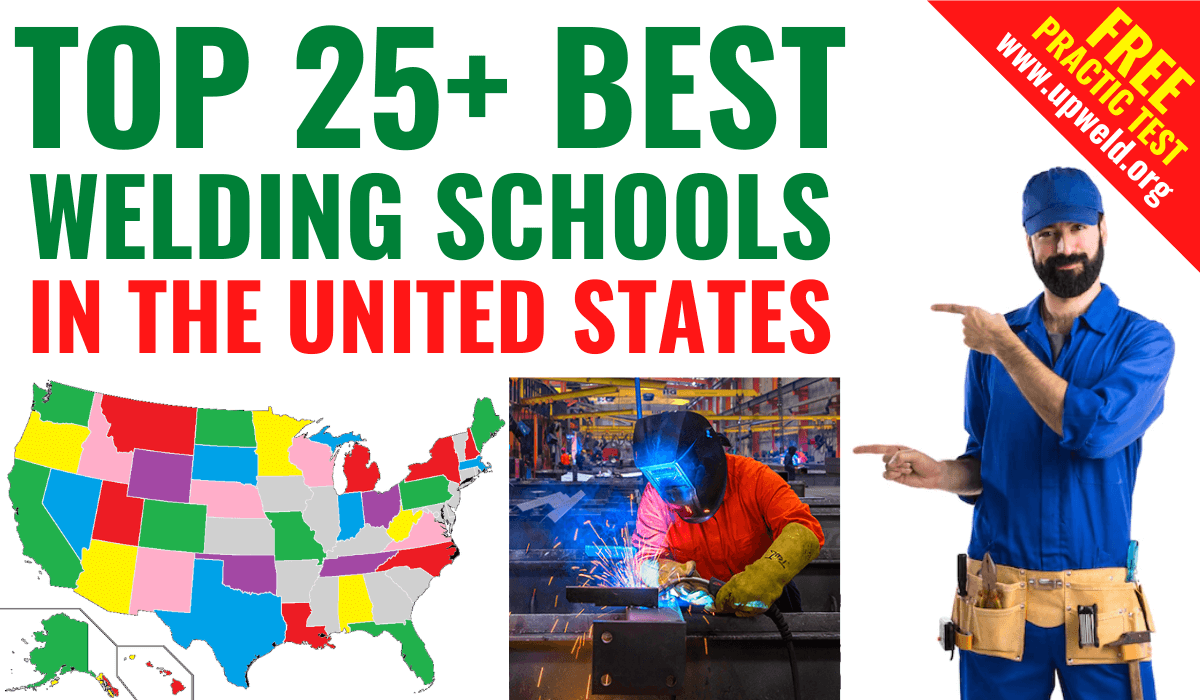
Credit: upweld.org
Frequently Asked Questions
What Is The Best Welding Certification To Have In The Usa?
The AWS Certified Welder credential is the most recognized and required by many employers. Some jobs, like pipe welding or inspection, need additional certifications. Many top schools include AWS certification prep in their programs.
Extra detail: Some specialized sectors, like nuclear or aerospace, require even more advanced certifications. Ask your school about these if you’re interested in niche fields.
How Much Does It Cost To Attend A Welding School In The Usa?
Costs vary. Community colleges may charge $3,000–$10,000 for a certificate or associate degree. Private schools and institutes can be $8,000–$20,000 for shorter programs. Four-year degrees can cost $30,000 or more. Financial aid and scholarships are available at most schools.
Non-obvious insight: Some states have free community college for qualifying students. Check for state-funded or employer-sponsored training in your area.
What Kind Of Jobs Can I Get After Welding School?
Graduates can become structural welders, pipe welders, manufacturing welders, welding inspectors, robotic welding operators, or even underwater welders. Some move into management, teaching, or engineering roles with additional study or experience.
Extra detail: Welding can also be a pathway to jobs in related fields, like quality control, maintenance, or even equipment sales.
How Long Does It Take To Become A Certified Welder?
Most certificate programs take 3–10 months. Associate degrees take 1–2 years, and bachelor’s degrees take 4 years. Some short courses (like Lincoln Electric’s) offer basic certifications in just a few weeks, but more time usually means deeper training and better job prospects.
Are There Welding Schools That Offer Online Classes?
Most welding training is hands-on, so online programs are rare. However, some schools offer hybrid options—online theory with in-person labs. Always check that any online program is accredited and includes enough practical training.
Extra detail: Some schools provide online study materials, videos, and practice exams to help you prepare before you step into the lab.
For more details on welding careers and education, visit the Welding Wikipedia page.
Welding is both an art and a science. Choosing the right school is your first big step. With solid training, real-world experience, and the right certifications, you’ll build a career that’s not only stable but rewarding and respected in every industry.
Note: ElectroWeld is reader-supported. If you click a link and buy something we may receive a small commission at no extra cost to you., learn more on disclaimer.
Walton M. Edwards was born in 1994 in a coal mining town, he has worked as a welder, a hardware salesman, and as a pipe fitter and has been employed as a laborer for about fifty years. Walton is a native of Wabash County in Indiana, but he now resides in Bloomington, Indiana.