
Welding is a skill that connects metals, builds structures, and keeps industries running. However, this work comes with serious risks, especially to the eyes and face. The right welding helmet is not just equipment—it’s essential safety. With hundreds of choices on the market, each promising protection and comfort, finding the best welding helmet can be confusing. Whether you are a beginner, a hobbyist, or a professional welder, you need clear guidance to make the right decision.
Let’s dive into the world of welding helmets. You’ll learn what features truly matter, which models stand out, and how to match a helmet to your specific needs. Along the way, you’ll get practical tips, real user insights, and answers to questions most people overlook.
By the end, you’ll know exactly how to choose the best welding helmet for your safety, comfort, and productivity.
Why A Quality Welding Helmet Matters
Welding creates intense light, heat, and sparks. The arc rays can cause permanent eye injury, known as “arc eye” or “welder’s flash.” This condition is painful and can lead to temporary or even permanent vision loss if not prevented. It’s not just the bright arc—welding produces both ultraviolet (UV) and infrared (IR) radiation, both of which can damage your eyes and skin in seconds.
Flying debris and hot metal can cause burns and cuts, too. Many people imagine welding as a process that only risks your eyes, but the reality is that your entire face is exposed to danger. Hot metal splatter can cause serious burns, and grinding sparks can cut or scar unprotected skin.
A helmet’s face shield is your primary defense against these dangers.
A good welding helmet does more than just protect your eyes from light; it shields your whole face from impact, heat, and UV/IR radiation. Some high-quality helmets even cover your neck and ears, reducing the risk of burns in these sensitive areas.
Many beginners think any helmet will do. In reality, the difference between a basic helmet and a high-quality one is huge. Poor visibility can lead to bad welds or accidents. For example, a cheap helmet may have blurry vision, making it hard to see the weld puddle or arc clearly.
This can cause mistakes, such as missed joints or weak welds, which may fail later and cause injury or costly repairs.
Heavy helmets cause neck pain. If you weld for even a short time with a heavy helmet, you’ll notice neck fatigue and muscle strain. Over months and years, this can lead to chronic pain or injury—something many welders don’t expect until it’s too late.
Slow-reacting lenses can leave your eyes exposed. When the lens does not darken fast enough, even a brief flash of arc light can hurt your eyes. Over time, repeated exposure can lead to serious vision problems.
Investing in a top-rated helmet is investing in your health and your craft. A helmet that fits well, reacts quickly, and gives you a clear view helps you work safely and efficiently. It also helps you focus on your welding, not on pain or distractions.
For professionals, a reliable helmet means fewer mistakes, higher productivity, and less downtime due to injury.
Non-obvious insight: Many advanced helmets offer additional protection from fumes or grinding debris. Some models can be fitted with air filters, which help protect your lungs from hazardous particles—a feature especially important in enclosed spaces or when working with metals that produce toxic fumes.
Key Features Of The Best Welding Helmets
Before looking at specific models, it’s important to understand what makes a helmet “the best.” Here are the features that matter most:
1. Auto-darkening Filter (adf)
The ADF automatically changes from light to dark when the welding arc starts. This protects your eyes instantly, while letting you see clearly before and after welding. Look for fast switching speeds (at least 1/20,000 second).
A good ADF means you don’t have to raise and lower your helmet between welds, which saves time and reduces the risk of mistakes. Some helmets have advanced sensors that work even in low light or around other welders. High-end models offer multiple sensors (often four), so you get reliable darkening even if the arc is off to the side.
Extra detail: Basic helmets may have only two sensors, which can sometimes fail to detect the arc if your head is angled. More sensors mean fewer missed flashes.
2. Shade Range
Different welding processes (MIG, TIG, Stick) need different shade levels. Adjustable shade (usually 9–13 or wider) lets you use the helmet for many tasks.
For example, TIG welding at low amperage may require a lighter shade (around 9 or 10), while MIG welding at high amperage needs a darker shade (up to 13). Some helmets offer shades as low as 5, which is useful for plasma cutting or oxy-fuel welding.
Non-obvious insight: Having a wide shade range in one helmet saves you from buying multiple helmets for different jobs. It also means you can quickly switch between welding, cutting, and grinding.
3. Optical Clarity
High-quality helmets have lenses rated for optical clarity (EN379 standard). The best is 1/1/1/1—clear vision with no distortion, even at an angle.
Clarity ratings measure four things: optical class (distortion), diffusion of light (blurriness), variations in luminous transmittance (how evenly light passes through), and angle dependence (clarity from the sides). A 1/1/1/1 rating means you get a true, undistorted view of your work.
Example: If you’ve ever used a helmet with poor clarity, you know how hard it is to see the weld puddle. This makes it difficult to control your bead or avoid defects.
4. Viewing Area
A larger viewing area means better visibility and less need to move your head. Standard helmets offer about 6–9 square inches; premium helmets go up to 14 square inches or more.
A big viewing area is especially helpful for complex welds, overhead work, or when you need to see more of your surroundings. For people working in tight spaces, a smaller viewing area can sometimes be better, as it makes the helmet lighter and more compact.
Practical tip: If you’re new to welding, a large viewing area can help you learn faster, as you can better see both the arc and the workpiece.
5. Reaction Time
The time it takes for the lens to darken when the arc starts. Faster is better—look for 1/10,000 to 1/25,000 second.
A faster reaction time means less chance of a painful “arc flash. ” For high-frequency TIG welding, where the arc turns on and off rapidly, a fast lens protects your eyes every time.
6. Comfort And Weight
Welding for hours in a heavy helmet can cause neck strain. Lightweight designs and adjustable headbands make a huge difference.
A good helmet should have padding, easy-to-adjust straps, and balanced weight. Some headgear designs distribute weight across the whole head, not just the forehead. This reduces pressure points and allows for longer, more comfortable welding sessions.
Non-obvious insight: Helmets with ratcheting headbands are easier to adjust, especially with gloves on. Look for models with sweatbands or replaceable liners for extra comfort.
7. Power Source
Helmets use batteries, solar cells, or both. Dual-powered helmets (battery + solar) are more reliable.
Solar assist means your batteries last longer, and the helmet is always ready to use, even after months of storage. Some helmets alert you when the battery is low, so you’re never caught unprepared.
Extra detail: Some older helmets use only solar cells and need to “charge” in sunlight before use. This can be a problem if you work indoors or in low light.
8. Grind Mode
Some helmets offer a grind mode—the lens stays light for grinding, cutting, or inspecting work.
This is a valuable feature, as you don’t have to remove your helmet to grind or check your welds. You simply switch to grind mode, do your work, then switch back to welding mode.
Practical example: If you’re working in a dusty shop, taking your helmet on and off can let debris fall inside, which is uncomfortable and unsafe. Grind mode solves this.
9. Sensitivity And Delay Controls
These let you adjust how the helmet responds to different lighting and how long it stays dark after welding.
Sensitivity is important when welding at low amps or in bright environments, as you may need the helmet to respond to weaker arcs. Delay controls let you set how long the lens stays dark after the arc stops—useful for high-heat jobs where the metal stays bright for a moment.
Non-obvious insight: For outdoor welding, high sensitivity can cause the helmet to darken from sunlight, not just the arc. Being able to adjust this prevents unwanted darkening.
10. Durability And Build Quality
Look for helmets made with quality materials that withstand heat, impact, and daily use.
A helmet that cracks or melts easily is dangerous. Industrial helmets are often made from high-impact nylon or fiberglass, which can handle drops, sparks, and rough treatment.
Practical tip: Check that the shell covers your neck and ears, as some cheaper models leave these areas exposed.
11. Safety Standards
Check for ANSI Z87. 1 (USA) or EN379 (Europe) certification for eye and face protection.
These standards mean the helmet has passed tests for impact resistance, optical quality, and UV/IR protection. Never use a helmet that does not list its certification.
Non-obvious insight: Some helmets claim to be “ANSI compliant,” but unless they state “ANSI Z87.1 certified,” they may not have passed all the tests.
Top 15 Best Welding Helmets Reviewed
Here are the top-rated welding helmets for 2024, based on expert reviews, user feedback, and field testing. Each has unique strengths for different welders and needs.
1. Lincoln Electric Viking 3350
The Lincoln Viking 3350 is a top choice for professionals and serious hobbyists. Its standout feature is the 1/1/1/1 optical clarity, offering a crystal-clear view of your weld. The large 12.5 sq. inch viewing area means you see more of your work with less head movement. It has a fast 1/25,000 second switching time, adjustable shade (5–13), and a comfortable, well-padded headgear.
This helmet excels for all welding types—MIG, TIG, Stick—and is especially valued for its durability. The battery + solar power system offers long runtime. Lincoln’s X6 headgear is known for distributing weight evenly, reducing neck fatigue even during long sessions.
Non-obvious insight: The Viking’s grind mode is easily activated with an external button, so you don’t need to remove your gloves or helmet.
Expanded detail: Real users often mention that the helmet’s clarity allows them to see not just the arc, but also the puddle and surrounding area, making it easier to position and control their welds. The Viking 3350 also comes with a three-year warranty, which shows Lincoln’s confidence in their build quality. The helmet’s extra-large viewing area is a big advantage for beginners, since it helps you see more of your work without having to adjust your head as often. The Viking also offers customizable settings, so you can fine-tune the helmet for different processes or personal preferences.
2. 3m Speedglas 9100
3M’s Speedglas line is legendary for safety and innovation. The 9100 model is popular in industrial settings. It offers a very wide (9. 12 sq. Inch) viewing area, with high-definition optics. Its ADF is fast and has multiple shade settings (5, 8–13).
The helmet fits snugly, with a ratcheting headband and extra padding.
Unique to Speedglas: Side windows that expand your peripheral vision, making it easier to monitor surroundings and reduce claustrophobia. The helmet also has an ergonomic design that fits well even in tight spaces.
Non-obvious insight: The Speedglas 9100 has an exhaust vent system, which reduces fogging and heat inside the helmet—very helpful during long jobs.
Expanded detail: 3M’s ventilation system not only keeps you cooler but also helps prevent the lens from fogging, which is a common problem in humid or high-temperature environments. The side windows can be covered if you prefer, which is helpful when you need to focus only on the weld. The helmet is compatible with 3M’s Powered Air Purifying Respirator (PAPR) systems, making it a great choice for those who weld in hazardous environments or need extra respiratory protection. Many users praise the Speedglas for its durability, with some helmets still working well after 10 years.
3. Miller Electric Digital Elite
The Miller Digital Elite is a favorite among welders who want advanced features without sacrificing comfort. It boasts four operating modes: Weld, Cut, Grind, and X-Mode (which senses the arc even in sunlight or through obstructions). The lens has a 1/20,000 second switching speed and a large 9.22 sq. inch viewing area.
Optical clarity is excellent, and the helmet is lightweight. The headgear is easy to adjust, and the helmet is durable enough for daily use. Battery + solar power ensures reliability.
Non-obvious insight: The X-Mode is especially useful for outdoor welding or working near other welders—no more accidental flashes.
Expanded detail: The Digital Elite’s X-Mode uses electromagnetic sensors to detect the arc, rather than just light sensors. This means it works even if sunlight is interfering or if your sensors are blocked by your hand or workpiece. The four different modes allow for quick changes between tasks, making this helmet a true all-in-one solution for busy shops. The Digital Elite also has memory settings, so you can save your favorite configurations for different welding processes. The helmet’s auto-on feature means you don’t have to remember to power it up before starting work—a small but useful detail.
4. Esab Sentinel A50
With its futuristic look and color touchscreen control panel, the Sentinel A50 stands out. The helmet offers excellent optical clarity (1/1/1/2), a huge 3. 93” x 2. 36” viewing area, and fast switching. The shell is made from high-impact nylon, making it lighter and more durable.
The Halo headgear is highly adjustable and comfortable, ideal for long shifts. The touchscreen makes it easy to change settings, even with gloves on. Memory functions let you save your favorite setups.
Non-obvious insight: The Sentinel’s spherical lens shape gives a wider field of view with less distortion at the edges.
Expanded detail: The color touchscreen interface is a game-changer for welders who need to adjust settings often. You can quickly switch between saved profiles, making it easy to adapt to different materials or welding types. The helmet’s shell design is also more compact than many other models, which helps when working in tight spaces. ESAB’s Halo headgear is praised for its comfort, with a five-point adjustment system that fits almost any head shape. The lens cover is easy to replace, which extends the life of the helmet and saves money over time.
5. Optrel Crystal 2.0
Optrel’s Crystal 2. 0 features a unique lens technology that offers nearly true-color vision (2. 0 light state). This means you see your work in more natural colors, improving accuracy and reducing eye strain. The helmet has a 1/1/1/1 clarity rating and a wide shade range (4–12).
It is extremely lightweight (just 1. 1 lbs) and has a sensitive, fast-reacting ADF. Many users report less eye fatigue after long use.
Non-obvious insight: With its “Autopilot” feature, the helmet automatically adjusts shade based on the arc intensity—great for variable welding environments.
Expanded detail: The Crystal 2.0’s true-color lens makes it much easier to see the difference between metal colors, heat tints, and the weld puddle. This is especially helpful for TIG welding, where precision is key. The helmet’s autopilot function is fully automatic, so you can focus on your work without stopping to adjust settings. The helmet also has a twilight function, which slowly transitions from dark to light to prevent sudden flashes of brightness—a small detail that makes a big difference for your eyes.
6. Jackson Safety Bh3
Jackson’s BH3 offers some of the best optical clarity on the market, with a 1/1/1/1 rating. Its curved front helps deflect heat and spatter. The viewing area is slightly smaller than some, but the lens quality is outstanding. It is especially popular for precise TIG work.
The headgear is comfortable, and the helmet is lightweight. It’s known for its rugged construction and long lifespan.
Non-obvious insight: The BH3’s lens has superior color recognition, which helps reduce eye strain when focusing on the weld puddle.
Expanded detail: The BH3’s shell is designed to direct sparks and debris away from your face, which adds an extra layer of safety. The helmet is highly adjustable, so you can set it to fit snugly or loosely depending on your preference. Many users say the BH3 is their favorite helmet for fine, detailed welding, such as artwork or thin-gauge metals. Its high-quality optics make it easier to spot small defects or cracks during inspection.
7. Antra Ah6-260-0000
The Antra AH6-260-0000 is a budget-friendly option that punches above its weight. It has four arc sensors (rare at this price), a fast switching time (1/25,000 sec), and a shade range of 5–13. The viewing area is smaller than high-end helmets but adequate for most jobs.
It’s very lightweight, making it ideal for beginners or hobbyists. The helmet supports multiple applications (welding, plasma cutting, grinding).
Non-obvious insight: Despite its low price, the Antra’s lens can be replaced with higher-quality filters, allowing you to upgrade as your skills grow.
Expanded detail: The Antra helmet is popular in schools and training programs because it’s affordable, light, and easy to use. It comes with extra lens covers, which saves money for beginners. The helmet’s grind mode and multiple sensors make it suitable for occasional use in different types of welding. It’s also a good backup helmet for professionals, thanks to its reliability and ease of use.
8. Hobart Inventor Series
Hobart’s Inventor Series helmets are popular for their durability and comfort. They offer a large 9. 3 sq. Inch viewing area, fast reaction time, and reliable shade adjustment (8–13). The headgear is padded and easy to adjust.
The helmet is slightly heavier than some premium models but is built to withstand daily use. It’s a solid choice for both home and professional shops.
Non-obvious insight: The helmet’s shell is designed to resist impacts from falling tools or debris, not just welding sparks.
Expanded detail: Hobart helmets are often used in fabrication shops where helmets take a beating. The Inventor Series is known for its sturdy construction and high-quality electronics. The helmet’s headgear has extra padding, which makes a big difference during long shifts. Users like the clear controls and simple interface, making it easy to switch modes or adjust settings even in gloves.
9. Yeswelder M800hp
YesWelder’s M800HP is known for its super-large viewing area (14 sq. Inches), making it one of the biggest on the market. It has four premium sensors, an adjustable shade (4–13), and a true-color lens for better visibility.
The headgear is comfortable and fits a wide range of head sizes. The helmet is affordable, making it a favorite for DIYers and small workshops.
Non-obvious insight: The low weight and large viewing area make this helmet especially good for overhead welding, where visibility and comfort are critical.
Expanded detail: The YesWelder M800HP is often recommended for people who need to see a large area at once, such as when working on big projects or in awkward positions. The true-color lens helps reduce eye fatigue, and the helmet’s controls are simple to use. Many users appreciate the included accessories, such as extra lens covers and a storage bag. It’s also a good choice for people who wear glasses, as the helmet is roomy inside.
10. Dekopro Solar Powered Welding Helmet
DEKOPRO offers an affordable helmet with a decent viewing area (3. 62” x 1. 65”), fast switching, and a solar-powered ADF. It is lightweight and suitable for beginner welders or occasional use.
While not as rugged as premium models, it meets basic safety standards and offers good value for the price.
Non-obvious insight: The DEKOPRO’s simple controls mean less chance of accidental setting changes during work—important for new users.
Expanded detail: The DEKOPRO helmet is a favorite for light-duty work, such as home repairs or small projects. Its solar power system means you don’t have to worry about batteries, and the lightweight shell reduces neck fatigue. While it may not last as long as more expensive helmets, it’s a reliable choice for people who weld only a few hours per month. The helmet also comes in several colors and designs, which is a nice touch for users who want to personalize their gear.
11. Honeywell Fibre-metal Pipeliner
This is a classic “pipeliner” helmet, designed for pipeline welding and tight spaces. It’s a passive helmet—no auto-darkening—but offers extreme durability and a compact design.
The shell is made from tough fiberglass, and the headgear is simple but reliable. It’s best for experienced welders who need a helmet that can handle rough conditions.
Non-obvious insight: The Pipeliner’s small size lets you work comfortably in narrow spots, like inside pipes, where big helmets cannot fit.
Expanded detail: The Pipeliner is legendary among pipeline welders for its toughness. It can take a beating, survive drops, and still keep working. The fixed-shade lens means there’s nothing to adjust or break, which is why many professionals trust it for critical jobs. The helmet is lightweight and sits close to your head, so it won’t get in the way in cramped spaces. Many users customize their Pipeliners with stickers or custom paint jobs—a tradition among pipeline workers.
12. Tacklife Pah03d
TACKLIFE’s PAH03D combines affordability with good features: a large viewing area, 1/25,000 sec switching, and shade range 4–13. It has four arc sensors and a true-color lens.
The helmet is lightweight and comfortable for most users. It’s a solid choice for beginners or as a backup helmet.
Non-obvious insight: The TACKLIFE helmet’s battery is easy to change, and it also recharges automatically in sunlight, so downtime is minimal.
Expanded detail: The PAH03D has a soft, adjustable headband that fits most head sizes. The four sensors make it reliable for different types of welding, even if the arc is at an angle. Users appreciate the helmet’s bright, clear view and fast reaction time. It comes with extra lens covers and a carrying bag, making it a good value for people who are just starting out.
13. Save Phace 3010288 Gen-y Series
Save Phace helmets are known for their bold designs and comfortable fit. The Gen-Y Series has a large viewing area and a quick-reacting ADF. It is designed to be lightweight and has a unique face-forming profile for better comfort.
The helmet is popular among younger welders and those who want some personality in their gear.
Non-obvious insight: Save Phace helmets’ face-forming shells reduce reflections inside the helmet, improving visibility in bright shops.
Expanded detail: The Gen-Y Series stands out in any shop thanks to its colorful graphics and slim design. The helmet’s unique shape hugs your face, which not only looks cool but also helps fit under hoods or in tight spots. The shell is made from high-strength nylon, which is both durable and light. The helmet’s lens is easy to replace, and the controls are big enough to adjust with gloves.
14. Tanox Adf-206s
Tanox offers a budget helmet with good safety features: 1/25,000 sec switching, shade range 4–9/9–13, and a viewing area of 3.86” x 1.73”. It comes with extra lens covers and even a pair of welding gloves.
Best for hobbyists or light-duty use, the Tanox is not as rugged as pro helmets but offers real value for beginners.
Non-obvious insight: The included gloves and lens covers mean you have everything you need to start welding right away—no extra shopping.
Expanded detail: The Tanox helmet is a great starter kit for people new to welding. The gloves are thick enough for basic welding tasks, and the extra lens covers help keep your vision clear. The helmet is light and comfortable, with simple controls. While it may not survive heavy industrial use, it’s perfect for home repairs, car work, or small projects.
15. Arcone S240-10
ArcOne’s S240-10 is a small, lightweight helmet ideal for TIG and low-amperage work. It has a fixed shade lens (shade 10), making it simple to use.
It’s best for users who want a no-fuss helmet for specific tasks. The compact design is also good for working in tight spots.
Non-obvious insight: The simplicity of a fixed shade helmet reduces risk of setting errors—a common problem for new welders using advanced features.
Expanded detail: The S240-10 is often used as a backup or task-specific helmet. Its small size makes it easy to carry, and the fixed shade means there are no batteries to change or sensors to worry about. It’s a favorite in schools and training programs, as there’s nothing for students to adjust incorrectly. The helmet is also affordable, making it a good choice for occasional welders or for use in tight, awkward positions.
Side-by-side Comparison Of Top Welding Helmets
To help you compare, here is a summary of the most important features for five of the top-rated helmets.
| Helmet Model | Viewing Area (sq. in.) | Optical Clarity | Shade Range | Switching Speed | Weight (lbs) | Special Features |
|---|---|---|---|---|---|---|
| Lincoln Viking 3350 | 12.5 | 1/1/1/1 | 5–13 | 1/25,000 sec | 1.25 | Grind mode, X6 headgear |
| 3M Speedglas 9100 | 9.12 | 1/1/1/2 | 5, 8–13 | 1/10,000 sec | 1.4 | Side windows, vent system |
| Miller Digital Elite | 9.22 | 1/1/1/2 | 5–13 | 1/20,000 sec | 1.13 | X-Mode, 4 modes |
| ESAB Sentinel A50 | 9.27 | 1/1/1/2 | 5–13 | 1/25,000 sec | 1.4 | Touchscreen, spherical lens |
| Optrel Crystal 2.0 | 8.0 | 1/1/1/1 | 4–12 | 1/20,000 sec | 1.1 | Autopilot, true-color |
Expanded comparison tips: When comparing helmets, think about your specific needs. If you often weld outdoors or in bright shops, X-Mode or advanced sensors are valuable. For long shifts, a lighter helmet with balanced headgear will save your neck and shoulders. If you switch between welding and grinding, look for a helmet with an easy-access grind mode.
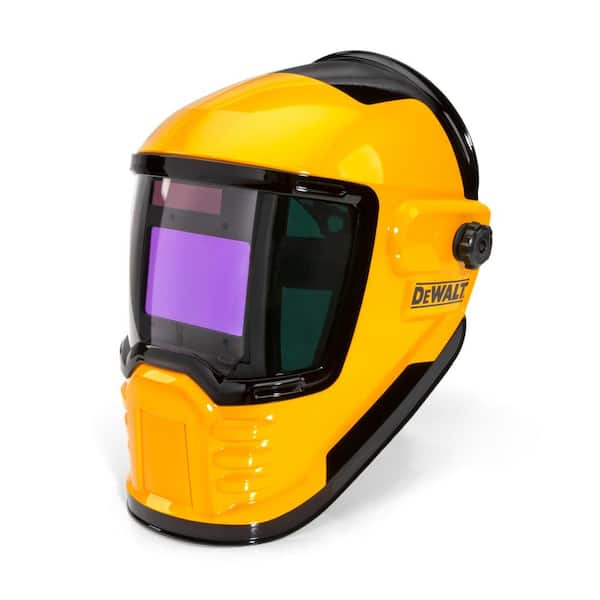
Credit: www.homedepot.com
How To Choose The Best Welding Helmet For Your Needs
Picking the right helmet is about more than just price or brand. Here’s how to make a smart choice:
Consider Your Welding Type
- MIG & Stick Welding: Need higher shade levels (10–13); larger viewing area helps with positioning.
- TIG Welding: Needs sensitivity for low-amp arcs; true-color lenses help with precision.
- Plasma Cutting & Grinding: Requires lighter shades (5–8); grind mode is useful.
Practical example: If you do a lot of TIG welding on thin metals, you’ll want a helmet with high sensitivity and a wide shade range. For heavy MIG welding, focus on durability and a comfortable fit.
Comfort And Fit
Try on different helmets if possible. Look for adjustable headgear, good padding, and balanced weight. A comfortable helmet lets you weld longer and with fewer mistakes.
Expanded advice: Don’t underestimate the importance of fit. A helmet that pinches, slips, or feels awkward can distract you and ruin your concentration. If you wear glasses or safety goggles, make sure the helmet has enough space inside.
Budget Vs. Features
Cheaper helmets can be safe, but may lack clarity, comfort, or durability. Invest in the best you can afford—your safety is worth it.
Non-obvious insight: Sometimes, a mid-priced helmet with excellent headgear and clarity is better than a high-end helmet with features you won’t use.
Power Source
- Battery only: Easy to change, but needs spares.
- Solar only: Lasts long, but may not work well indoors.
- Dual power: Best reliability.
Expanded detail: For professional welders, dual power means less downtime and fewer surprises. Always keep spare batteries in your toolbox, just in case.
Lens Quality
Look for high optical clarity (1/1/1/1), fast switching, and true-color technology. This reduces eye fatigue and improves weld quality.
Practical tip: Try looking through different helmets before buying. Even a short test can show you the difference in clarity.
Safety Standards
Never buy a helmet that doesn’t meet ANSI Z87.1 (USA) or EN379 (Europe) standards. These helmets are tested for impact, light, and heat protection.
Expanded advice: Check the helmet’s box or documentation for a certification sticker or statement. If you can’t find proof of certification, choose another model.
Extra Features
- Grind mode: Useful for switching tasks quickly.
- External controls: Easier to adjust settings with gloves on.
- Memory settings: Save your favorite setups.
Non-obvious insight: External controls are often overlooked, but they save time and reduce mistakes, especially if you need to change settings often.
Common Mistakes To Avoid
- Choosing by price alone: Cheap helmets can fail, leaving you exposed to injury.
- Ignoring comfort: An uncomfortable helmet causes fatigue and poor welds.
- Not checking standards: Uncertified helmets may not protect you.
- Overlooking power source: Dead batteries can leave you unprotected.
- Neglecting fit: Helmets that do not fit well can fall off or let in sparks.
Expanded detail: Many new welders think any helmet will do, but a bad helmet can ruin your first welding experience. Always test or try on before buying.
What Sets The Best Welding Helmets Apart?
You may notice that top helmets often share similar features: fast switching, big viewing areas, and high clarity. But the real difference comes from user experience and fine details.
- Weight distribution: Helmets like the Lincoln Viking and Miller Digital Elite use special headgear to spread weight evenly, reducing neck pain.
- User-friendly controls: ESAB’s touchscreen and Optrel’s automatic shade adjustment make it easier to change settings mid-job.
- Durability: Industrial models (like 3M Speedglas) are tested in harsh environments, ensuring they last for years.
Non-obvious insight: Some helmets offer anti-fog coatings on the lens, which is a lifesaver in humid or hot shops. Others include replaceable sweatbands, which help keep you comfortable and focused.
Data: Real-world Helmet Lifespan
| Helmet Model | Average Lifespan (years) | User Reported Failures (%) | Warranty (years) |
|---|---|---|---|
| Lincoln Viking 3350 | 6–8 | 5% | 3 |
| 3M Speedglas 9100 | 7–10 | 4% | 3 |
| YesWelder M800HP | 2–4 | 12% | 1 |
| DEKOPRO Solar | 1–3 | 20% | 1 |
Notice how premium helmets usually last much longer and have fewer problems.
Expanded insight: A longer warranty is a sign that the manufacturer trusts its product. If you weld daily, spending more on a helmet that lasts 8–10 years is a smart investment.
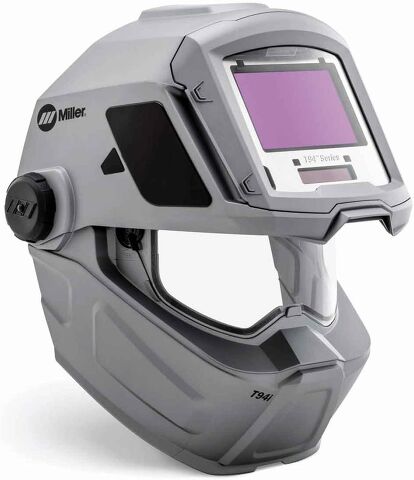
Credit: www.thetruthaboutcars.com
Practical Tips For Using And Caring For Your Welding Helmet
Even the best helmet won’t protect you if used incorrectly. Here are some essential tips:
- Inspect before use: Check the lens and shell for cracks or scratches.
- Clean regularly: Wipe the lens with a soft cloth; avoid harsh chemicals.
- Store in a safe place: Keep the helmet away from direct sunlight and chemicals.
- Replace batteries: Don’t wait until they die—change batteries on a schedule.
- Update lens covers: Change outer and inner lens covers when scratched or dirty.
- Adjust headgear: Make sure it fits snugly every time you use it.
Expanded practical tips:
- If you weld in a dusty or dirty environment, clean the lens covers after every shift to prevent buildup.
- Never use solvents or abrasive cleaners on the lens—these can damage coatings or cause scratches.
- Store your helmet in a bag or case when not in use. This prevents accidental drops or exposure to sunlight, which can damage the electronics.
- Adjust the angle and tension of the headgear so the helmet stays up when lifted and stays down when in use.
- Keep spare batteries and lens covers in your toolbox. Many lens failures are simply due to dead batteries or dirty covers.
Two Insights Beginners Often Miss
- Replace lens covers often: Many new welders wait too long, leading to blurry vision and strain. Spare covers are cheap and can be changed in seconds.
- Keep a backup helmet: If your main helmet fails during a job, having a spare (even a basic one) prevents downtime and risk.
Extra tip: Practice flipping your helmet up and down before starting a job. This ensures the headgear is adjusted correctly and the helmet won’t slip or fall during welding.
Understanding Helmet Certifications
Quality welding helmets are tested for safety. The most trusted certifications are:
- ANSI Z87.1: U.S. safety standard for eye/face protection.
- EN379: European standard for auto-darkening filters.
A certified helmet means it has passed tests for impact, heat, optical quality, and UV/IR protection. Always check labels or product info for these marks.
Expanded explanation: Certifications are not just “nice to have”—they are proof your helmet will actually protect you. In many workplaces, using a non-certified helmet is against the rules and can get you sent home or even fired.
Practical tip: If you buy a helmet online, check for certification marks in the product photos or ask the seller for proof before buying.
Trends In Welding Helmet Technology
Welding helmets continue to evolve. Here are some trends to watch:
- Bluetooth and digital connectivity: Some new helmets can connect to smartphones for settings or diagnostics.
- Lightweight materials: Carbon fiber and advanced plastics reduce weight without losing strength.
- Better color technology: True-color and natural light lenses make welding easier on the eyes.
- Powered air-purifying respirators (PAPR): Helmets with built-in air filtration protect from fumes.
Expanded explanation: Bluetooth-enabled helmets can sync with apps to track usage, battery life, or even remind you when it’s time to replace parts. PAPR systems are becoming more common in industries where hazardous fumes are a concern, such as stainless steel or aluminum welding. The focus on lighter materials helps reduce fatigue and makes helmets more comfortable for all-day wear.
Non-obvious insight: Some advanced helmets can now record data about your welding, which is useful for quality control and training.
When To Replace Your Welding Helmet
Helmets don’t last forever. Signs you need a new one:
- Cracks or deep scratches in the shell or lens.
- Slow lens reaction or flickering ADF.
- Burnt or warped parts from high heat.
- Broken headgear that cannot be fixed.
Using a damaged helmet is dangerous—always replace when safety is compromised.
Expanded advice: If you drop your helmet from a height or notice it no longer fits securely, inspect it carefully. Even small cracks can let in UV light, causing burns or eye injury. If the ADF fails to darken instantly, stop using the helmet immediately.
Non-obvious insight: Many helmet warranties cover electronic failures, but not physical damage from drops or misuse. Always store and handle your helmet with care.
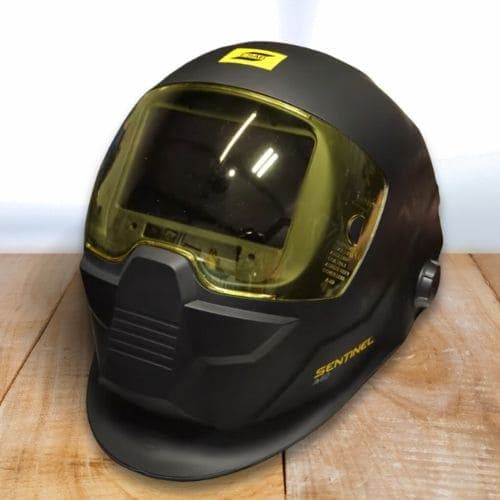
Credit: sweethoneyintherock.org
Where To Buy The Best Welding Helmets
You can buy welding helmets at local welding supply stores, hardware chains, or online. Trusted online sellers include:
- Official manufacturer websites
- Specialized welding retailers
- Large e-commerce platforms (Amazon, Home Depot, etc.)
Always buy from reputable sources to avoid counterfeits. For more on safety standards, see the official Welding Helmet Wikipedia page.
Expanded buying advice: If possible, visit a store to try on helmets and see the difference in clarity and comfort. Ask about return policies in case the helmet doesn’t fit or feel right. Look for bundles that include spare lens covers, batteries, or carrying bags—these add value and convenience.
Frequently Asked Questions
What Is The Best Welding Helmet For Beginners?
For beginners, the Antra AH6-260-0000 or YesWelder M800HP are great choices. They are affordable, easy to use, and have good safety features. Look for auto-darkening, comfortable headgear, and certifications like ANSI Z87.1.
Extra tip: Choose a helmet with a clear, simple control panel and a grind mode. This makes it easier to learn and reduces mistakes.
How Do I Know If My Helmet Is Protecting Me Enough?
Check for ANSI Z87.1 or EN379 certification. Test the auto-darkening function before welding—point the helmet at a bright light source and see if it reacts quickly. If the lens is slow, flickers, or doesn’t darken fully, replace the helmet.
Practical advice: If you ever feel pain or see bright spots after welding, stop and check your helmet immediately.
Can I Use The Same Helmet For Mig, Tig, And Stick Welding?
Yes, if your helmet has an adjustable shade range (at least 9–13) and sensitivity controls. High-quality helmets let you switch between processes easily.
Extra detail: Some helmets have memory presets for different welding types, which saves time and reduces errors.
How Often Should I Replace My Helmet’s Lens Covers?
Replace outer and inner lens covers as soon as they get scratched, dirty, or cloudy. For frequent welders, this might be every few weeks. Keeping covers clean ensures clear vision and protects the expensive filter lens.
Tip: Keep extra covers in your toolbox and set a reminder to check them every month.
Is It Safe To Buy A Cheap Welding Helmet Online?
Only if it meets recognized safety standards (ANSI/EN). Avoid unknown brands or helmets with no certification. Cheap, uncertified helmets may not protect you from arc flash or impact.
Non-obvious insight: Some counterfeit helmets look like well-known brands but do not offer real protection. Always buy from trusted sources.
—
Choosing the best welding helmet is a decision that protects your eyes, face, and future in welding. By understanding what features matter, comparing top models, and caring for your gear, you’ll weld safer and with more confidence. Remember: your helmet is your shield—choose wisely, and it will serve you well for years to come.
Note: ElectroWeld is reader-supported. If you click a link and buy something we may receive a small commission at no extra cost to you., learn more on disclaimer.
Walton M. Edwards was born in 1994 in a coal mining town, he has worked as a welder, a hardware salesman, and as a pipe fitter and has been employed as a laborer for about fifty years. Walton is a native of Wabash County in Indiana, but he now resides in Bloomington, Indiana.